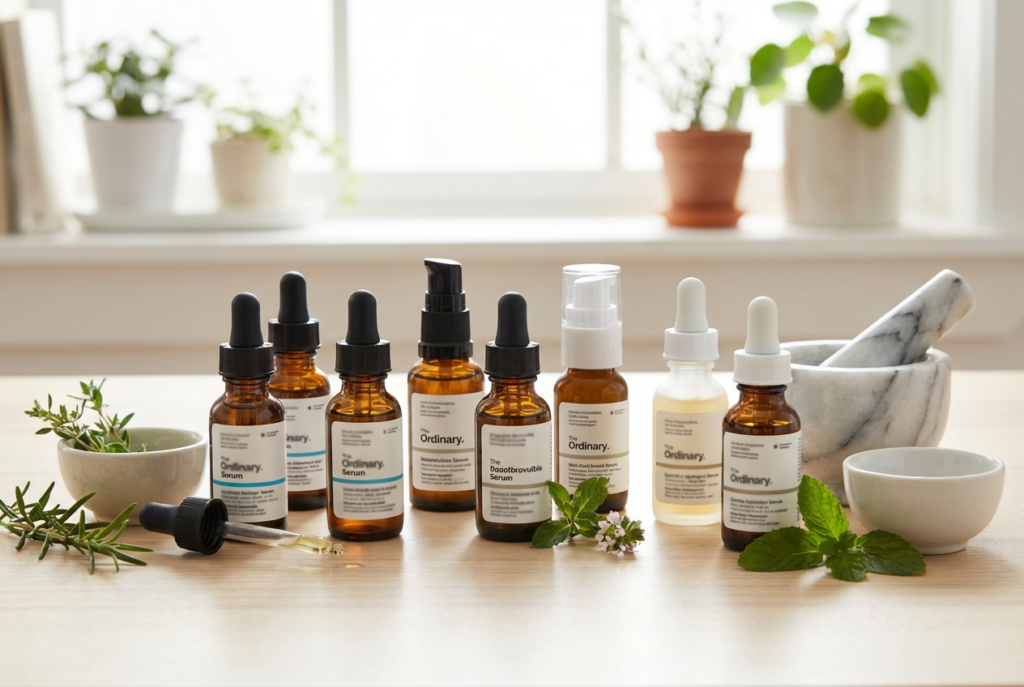
Understanding Hyperpigmentation and How Serums Help
Dark spots have a way of appearing exactly where you don’t want them. That stubborn patch on your cheek from a breakout three years ago, the sun spots creeping across your forehead, the uneven tone that foundation never quite covers. If you’ve been searching for the best serums for hyperpigmentation, you already know that not all products deliver on their promises.
Hyperpigmentation isn’t a single condition with a single solution. It’s an umbrella term for excess melanin deposits in the skin, and the underlying cause determines which ingredients will actually work. A serum that fades sun spots might do nothing for melasma. Understanding this distinction saves you from wasting money on products that were never designed for your specific concern.
The best formulations for hyperpigmentation combine multiple active ingredients that interrupt melanin production at different stages, speeding up visible results while preventing new spots from forming.
Common Causes: Sun Damage, Melasma, and Acne Scars
Post-inflammatory hyperpigmentation (PIH) develops after skin trauma, such as acne, cuts, or aggressive treatments. The inflammation triggers excess melanin production as a protective response. These marks typically fade on their own over months to years, but serums can accelerate the process significantly.
Sun damage creates solar lentigines, those flat brown spots that accumulate with age and UV exposure. Unlike PIH, these won’t fade without intervention. They’re essentially permanent records of cumulative sun exposure embedded in your skin.
Melasma is ahormone-driven condition that creates larger patches of discoloration, often on the cheeks, forehead, and upper lip. It responds to treatment but recurs easily with sun exposure or hormonal fluctuations. Managing melasma requires ongoing maintenance rather than a one-time fix.
The Role of Concentrated Actives in Fading Dark Spots
Serums work because of their delivery system. Unlike moisturizers or cleansers that sit on the skin’s surface, serums contain smaller molecules at higher concentrations that penetrate deeper layers where melanin production actually occurs.
Effective brightening serums target the tyrosinase enzyme, which controls melanin synthesis. By inhibiting this enzyme, active ingredients prevent new pigment from forming while your skin’s natural cell turnover gradually sheds existing discoloration. Most people notice improvement within 4-8 weeks of consistent use, with significant results appearing around the 12-week mark.
Key Ingredients to Look for in a Brightening Serum
Vitamin C and Niacinamide for Radiance
Vitamin C remains the gold standard for brightening. L-ascorbic acid, the most potent form, inhibits tyrosinase while providing antioxidant protection against future damage. The catch? It’s notoriously unstable. Look for formulations in opaque, airless packaging with concentrations between 10-20%. Higher isn’t always better if the formula oxidizes before you finish the bottle.
Niacinamide takes a gentler approach. This vitamin B3 derivative prevents melanin transfer from melanocytes to surrounding skin cells. It won’t irritate sensitive skin, plays well with other actives, and offers additional benefits like reduced pore appearance and strengthened skin barrier. A 5% concentration delivers results without the flushing some people experience at higher percentages.
Exfoliating Acids: AHAs, BHAs, and Tranexamic Acid
Glycolic acid and lactic acid (both AHAs) accelerate cell turnover, helping pigmented cells shed faster. Glycolic penetrates deepest due to its small molecular size, while lactic acid offers similar benefits with less irritation potential.
Tranexamic acid deserves special attention. Originally used to control bleeding, this ingredient has become a breakthrough for melasma treatment. It interrupts the pathway between UV exposure and melanin production, making it particularly effective for hormone-related discoloration. Unlike hydroquinone, it’s safe for long-term use.
Natural Inhibitors: Kojic Acid and Licorice Root
Kojic acid, derived from fungi, inhibits tyrosinase effectively but can cause contact sensitization in some users. Start with lower concentrations and monitor for irritation.
Licorice root extract contains glabridin, which both inhibits melanin production and provides anti-inflammatory benefits. It’s gentle enough for daily use and works synergistically with other brightening ingredients. Arbutin, derived from bearberry plants, offers similar tyrosinase inhibition with excellent tolerability.
Top Serums for Fading Hyperpigmentation
Best Overall and Dermatologist-Recommended Picks
SkinCeuticals C E Ferulic consistently ranks as the benchmark vitamin C serum. The combination of 15% L-ascorbic acid, vitamin E, and ferulic acid provides superior stability and efficacy. Yes, it’s expensive, but clinical data backs its performance.
Paula’s Choice 25% Vitamin C + Glutathione Clinical Serum delivers professional-grade results at a more accessible price point. The glutathione addition enhances brightening effects while the silicone base ensures smooth application.
La Roche-Posay Mela B3 Serum combines 10% niacinamide with melasma-targeting ingredients. Dermatologists frequently recommend this for sensitive skin types dealing with stubborn discoloration.
The Ordinary Alpha Arbutin 2% + HA offers remarkable value. Alpha arbutin provides steady tyrosinase inhibition without the irritation potential of stronger actives.
Budget-Friendly Options
Good Molecules Discoloration Correcting Serum packs tranexamic acid, niacinamide, and alpha arbutin into an affordable formula. It layers beautifully under other products and shows visible results within 6-8 weeks.
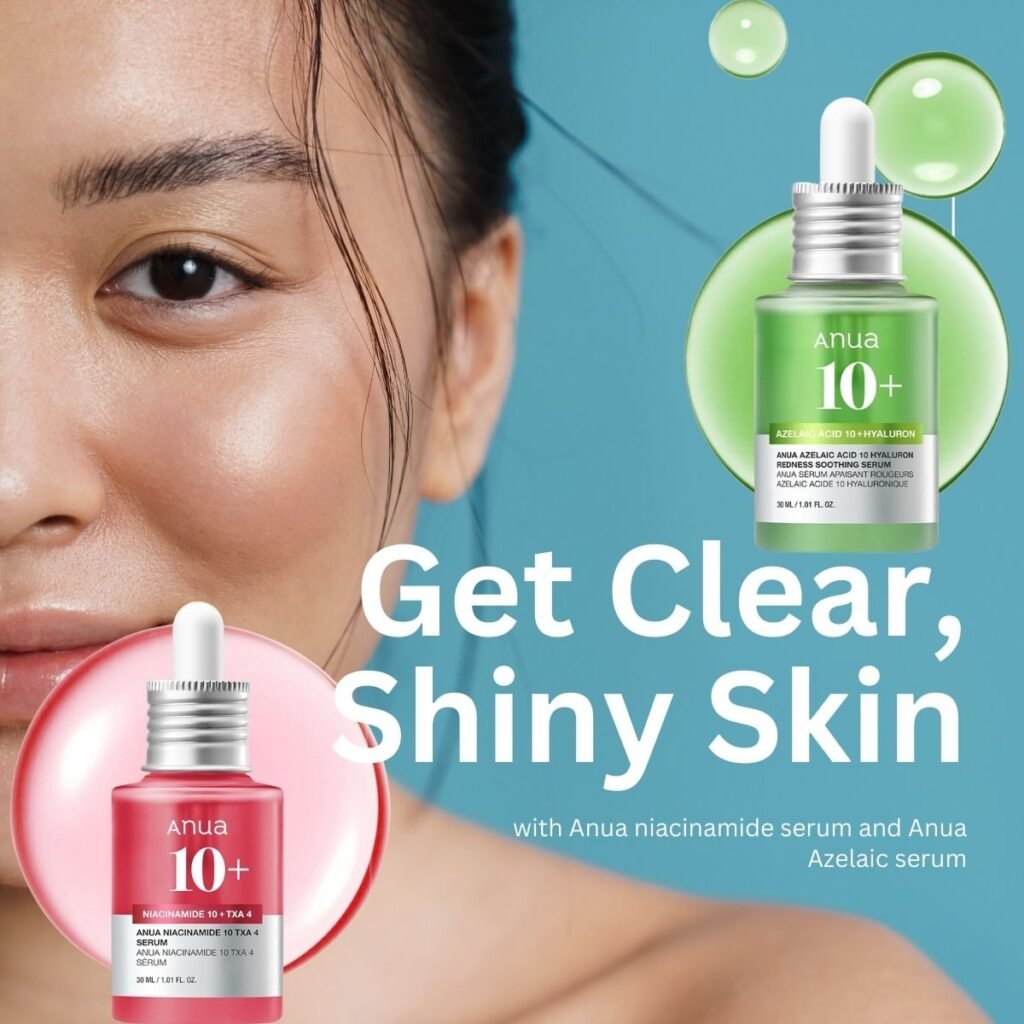
Anua Niacinamide contains Niacinamide (Vitamin B3), Hyaluronic Acid, and Panthenol, which work together to strengthen the skin barrier, deeply hydrate, and regulate excess oil. Niacinamide helps fade hyperpigmentation and dark spots by reducing melanin transfer, leaving the skin brighter and more even-toned.
Anua azelaic acid serum is formulated with Azelaic Acid, Centella Asiatica, and Soothing botanical extracts. This serum helps calm inflammation while gently exfoliating the skin. Azelaic acid is especially effective for hyperpigmentation and dark spots as it slows excess melanin production and improves overall skin clarity and tone.
The Inkey List Tranexamic Acid Night Treatment targets melasma and PIH while you sleep. The 2% concentration is effective yet gentle enough for nightly use.
Naturium Vitamin C Complex Serum combines multiple forms of vitamin C for stability and efficacy. The texture absorbs quickly without pilling under makeup.
Versed Stroke of Brilliance Brightening Serum uses a blend of vitamin C, niacinamide, and licorice root. It’s fragrance-free and works well for those new to brightening actives.
Best Formulations for Sensitive Skin Types
Faded by Topicals was specifically designed for melanin-rich skin tones, which face higher risks of irritation-induced hyperpigmentation. The formula combines tranexamic acid, azelaic acid, and niacinamide without common irritants.
Dr. Dennis Gross Advanced Retinol + Ferulic Overnight Texture Renewal Peel sounds intense but uses encapsulated retinol for gradual release. Sensitive skin types tolerate it better than traditional retinol while still getting brightening benefits.
Peach & Lily Glass Skin Refining Serum takes a hydration-forward approach to brightening. Niacinamide and peach extract address discoloration while multiple humectants prevent the dryness that can worsen dark spots.
Summer Fridays CC Me Vitamin C Serum uses a stabilized vitamin C derivative that’s less likely to cause irritation than pure L-ascorbic acid. The formula includes niacinamide and kakadu plum for comprehensive brightening.
How to Incorporate Dark Spot Serums into Your Routine
Layering Order and Frequency of Use
Apply brightening serums to clean, dry skin before heavier products. The general rule: thinnest to thickest consistency. Vitamin C serums work best in the morning when they can provide antioxidant protection throughout the day. Retinol-based or exfoliating serums belong in your evening routine.
Start with every other day application, especially with potent actives like vitamin C or retinol. Your skin needs time to adjust. After two weeks without irritation, increase to daily use. If you’re combining multiple actives, alternate them rather than layering everything at once.
The Essential Role of Daily Sunscreen
No brightening serum will work if you skip sunscreen. UV exposure triggers melanin production within minutes, undoing weeks of treatment progress. SPF 30 minimum, applied generously, reapplied every two hours during sun exposure. Non-negotiable.
Chemical sunscreens absorb into skin and may cause irritation for some. Mineral formulations using zinc oxide or titanium dioxide sit on the surface and suit sensitive skin better. Tinted versions offer additional protection against visible light, which can worsen melasma.
Managing Expectations and Long-Term Skin Health
Hyperpigmentation didn’t appear overnight, and it won’t disappear that quickly either. Realistic timelines matter: expect 8-12 weeks of consistent use before judging a product’s effectiveness. Taking monthly photos in the same lighting helps you track gradual improvements you might otherwise miss.
Some discoloration, particularly deep melasma, may never completely resolve with topical products alone. Professional treatments like chemical peels, laser therapy, or prescription hydroquinone can address stubborn cases. A dermatologist can help determine when at-home serums have reached their limit.
The most effective long-term strategy combines targeted treatment with prevention. Continue using brightening serums even after achieving your desired results, maintain rigorous sun protection, and address inflammation quickly when breakouts occur. Your future self will thank you for the consistency.