
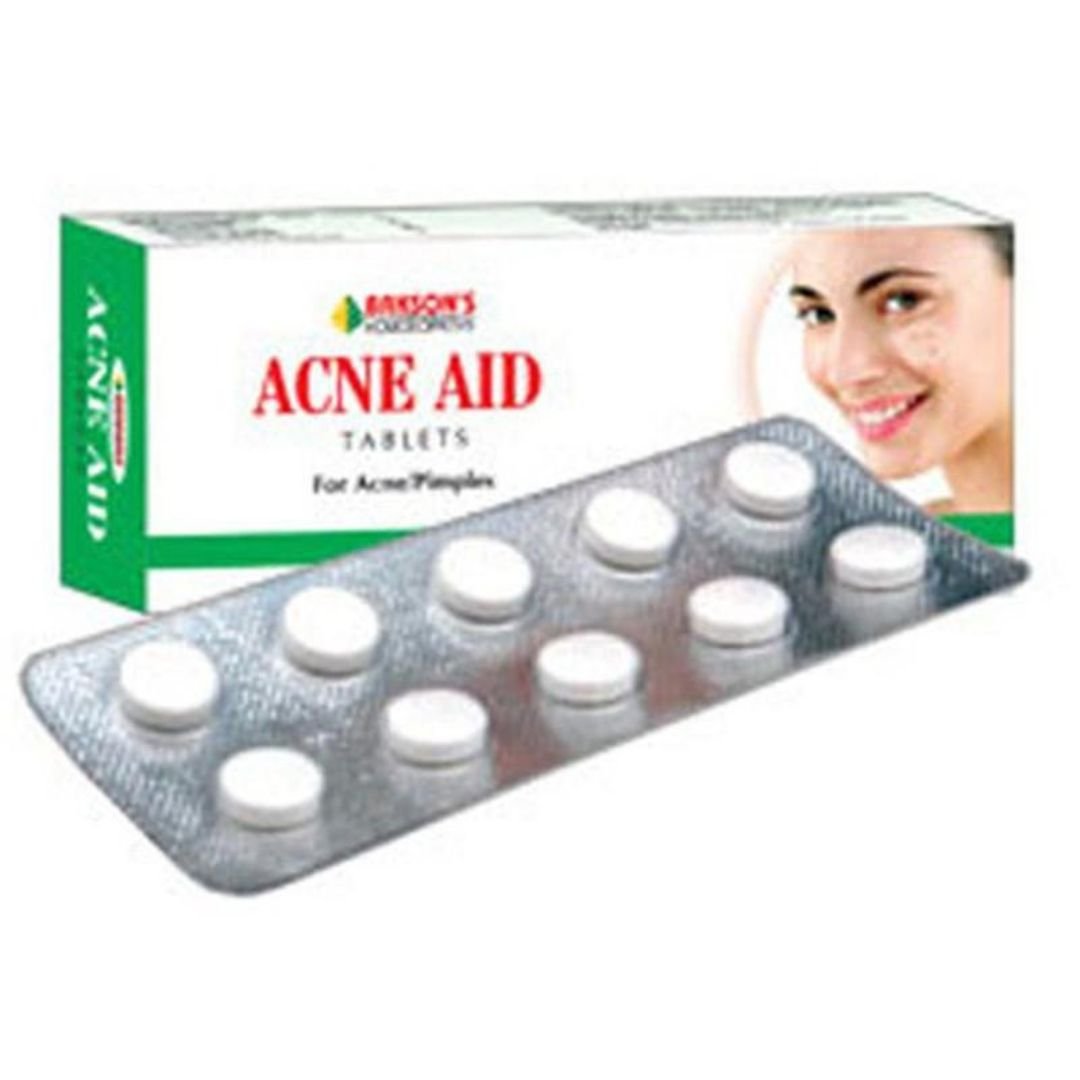
Acne Aid Pill 60s is an over-the-counter (OTC) oral nutritional supplement specifically formulated to support skin health from within, targeting the internal nutritional factors that contribute to acne-prone, blemish-prone, and oily skin. Each pack contains 60 capsules or tablets providing a one to two-month supply depending on the recommended daily dose, making it a convenient and practical addition to a comprehensive acne management routine.
Unlike topical acne treatments that work on the skin surface, Acne Aid Pill works from the inside out — delivering a combination of vitamins, minerals, and antioxidants that are clinically associated with supporting normal sebum regulation, reducing skin inflammation, promoting skin cell turnover, and maintaining the skin’s natural barrier function. If you are looking to buy Acne Aid Pill in Kenya, this product is available at registered pharmacies and health stores nationwide and is a widely recommended nutritional support option for acne treatment and clear skin management in Kenya. The price of Acne Aid Pill in Kenya is accessible, making it a practical complement to a broader acne care regimen.
Key Benefits
- Supports clearer, healthier skin from within through targeted nutritional supplementation
- Helps regulate sebum production — excessive sebum is a primary driver of acne development
- Provides antioxidant protection — reduces oxidative stress-driven skin inflammation associated with acne
- Supports normal skin cell turnover and renewal — reducing pore blockage from retained dead skin cells
- Delivers zinc — one of the most evidence-supported micronutrients for acne management
- Provides B vitamins — essential for normal skin metabolism and the regulation of hormonal sebum stimulation
- Supports the skin’s natural barrier function and wound healing capacity
- Convenient once or twice-daily oral dosing — easy to incorporate into a daily routine
- OTC — no prescription required
- Suitable for adults and adolescents as directed on the label
- Complementary to topical acne treatments and skincare routines
What It Is & How It Works
Key Active Ingredients
Formulations of Acne Aid Pill typically contain a combination of the following evidence-supported ingredients — refer to the product label for the specific composition and exact quantities of the product you have purchased:
| Ingredient | Role in Skin Health |
|---|---|
| Zinc (as Zinc Gluconate or Zinc Oxide) | Regulates sebum production, reduces P. acnes bacterial activity, anti-inflammatory |
| Vitamin B3 (Niacinamide / Nicotinamide) | Reduces sebum excretion, anti-inflammatory, supports skin barrier integrity |
| Vitamin B5 (Pantothenic Acid) | Supports coenzyme A activity in fatty acid metabolism — reduces sebum overproduction |
| Vitamin B6 (Pyridoxine) | Supports hormonal balance and reduces androgen-stimulated sebum production |
| Vitamin A (as Beta-Carotene) | Supports normal skin cell turnover and differentiation — reduces comedone formation |
| Vitamin C (Ascorbic Acid) | Potent antioxidant — reduces oxidative skin inflammation; supports collagen synthesis and wound healing |
| Vitamin E (Tocopherol) | Fat-soluble antioxidant — protects skin cell membranes from oxidative damage |
| Selenium | Antioxidant cofactor — supports glutathione peroxidase activity in skin tissue |
| Chromium | Supports insulin sensitivity — relevant to hormonal acne driven by insulin resistance |
How the Key Ingredients Work
Zinc
Zinc is the most extensively studied micronutrient in acne management. It exerts its beneficial effects through multiple mechanisms — it inhibits the growth and virulence of Cutibacterium acnes (formerly Propionibacterium acnes), the bacterium central to inflammatory acne; reduces the 5-alpha-reductase activity that converts testosterone to its more potent form dihydrotestosterone (DHT), directly reducing androgen-driven sebum stimulation; inhibits neutrophil chemotaxis and pro-inflammatory cytokine production; and promotes skin wound healing and barrier repair. Zinc deficiency — which is prevalent in some Kenyan populations due to dietary factors — has been directly associated with increased acne severity.
Vitamin B5 (Pantothenic Acid)
Pantothenic acid is a precursor to coenzyme A (CoA), which plays a central role in the beta-oxidation and metabolism of fatty acids in sebaceous gland cells. Supplementation with pantothenic acid supports the complete metabolic processing of sebaceous lipids, reducing the accumulation and overproduction of sebum that contributes to pore blockage and acne development.
Vitamin B3 (Niacinamide)
Oral niacinamide has anti-inflammatory properties that reduce the production of pro-inflammatory cytokines in the skin. It also directly reduces sebum excretion rate and supports the skin’s ceramide-rich barrier function, preventing the transepidermal water loss that can trigger compensatory sebum overproduction.
Vitamin A (Beta-Carotene)
Beta-carotene is a provitamin A carotenoid that is converted to retinol (vitamin A) in the body as needed. Vitamin A supports normal keratinocyte differentiation and skin cell turnover — reducing the abnormal follicular keratinisation (the process whereby dead skin cells adhere to the follicle wall and block pores) that is a fundamental step in comedone and acne formation.
Antioxidants (Vitamins C, E, and Selenium)
Patients with acne have been shown to have significantly lower levels of antioxidant defences in their skin. Oxidative stress — driven by reactive oxygen species — amplifies the inflammatory response in acne lesions, worsens post-inflammatory hyperpigmentation, and impairs skin healing. The combination of vitamins C, E, and selenium provides comprehensive antioxidant coverage across both the aqueous and lipid phases of the skin environment.
Classification
Acne Aid Pill is classified as an Over-the-Counter (OTC) nutritional supplement. It can be purchased without a prescription in Kenya. It is a dietary supplement and not a medicinal drug — it is not intended to diagnose, treat, cure, or prevent any medical condition. Consult a pharmacist, dermatologist, or doctor if acne is severe, persistent, or significantly affecting quality of life.
Formulation
Oral capsules or tablets. Each pack contains 60 units. Refer to the product label for the specific daily dose and administration instructions for the product you have purchased.
Uses & Indications
Acne Aid Pill 60s is indicated as a nutritional supplement for:
- Supporting skin health in individuals with acne-prone, blemish-prone, or oily skin
- Providing targeted micronutrient support for mild to moderate acne as an adjunct to topical acne treatments and skincare routines
- Addressing nutritional deficiencies — particularly zinc and B vitamin deficiencies — that may contribute to or worsen acne
- Supporting skin recovery and reducing post-inflammatory hyperpigmentation following acne breakouts
- Maintaining clear skin during and after completion of a course of topical or prescription acne treatment
- Supporting hormonal acne management in individuals where androgen-driven sebum overproduction is a contributing factor
IMPORTANT: Acne Aid Pill is a nutritional supplement and not a substitute for medical acne treatment. It is NOT intended for the treatment of severe acne (cystic acne, nodulocystic acne, or acne with significant scarring potential) — these conditions require medical evaluation and prescription treatment, which may include topical retinoids, topical or oral antibiotics, hormonal therapy, or isotretinoin under dermatologist supervision. If acne is severe, rapidly worsening, or causing significant scarring, consult a dermatologist or healthcare provider promptly.
Dosage & Administration
NOTE: Use only as directed on the product label or by a pharmacist. Do not exceed the recommended daily dose. Refer to the specific label of the product you have purchased as formulations may vary.
| Age Group | Typical Dose | Frequency |
|---|---|---|
| Adults and adolescents 12+ years | Consult a doctor or pharmacist before use | Consult a doctor or pharmacist before use |
| Children under 12 years | Consult a doctor or pharmacist before use | — |
| Pregnant or breastfeeding women | Consult a doctor or pharmacist before use | — |
Administration Instructions
- Take with food or a meal to optimise absorption of fat-soluble vitamins (A and E) and to reduce the risk of stomach upset from zinc supplementation on an empty stomach
- Swallow capsules or tablets whole with a full glass of water
- Take at the same time each day to maintain consistent micronutrient levels in the body
- Allow at least 4–6 weeks of consistent daily use before evaluating initial results — nutritional supplements support skin health over time and do not produce immediate results
- For best results, use consistently as part of a comprehensive acne management routine that includes appropriate topical skincare, sun protection, hydration, and dietary management
- Do not exceed the stated daily dose — fat-soluble vitamins (A and E) can accumulate in the body and cause toxicity at excessive doses
- Do not combine with other high-dose vitamin or mineral supplements without pharmacist or medical advice — risk of exceeding safe upper intake levels, particularly for vitamin A and zinc
Possible Side Effects
Acne Aid Pill is generally well tolerated at recommended doses. However, some individuals may experience the following:
Common
- Mild nausea or stomach discomfort — particularly when taken on an empty stomach; taking with food minimises this
- Mild headache — usually transient, especially at the start of supplementation
- Altered taste or metallic taste in the mouth — related to zinc supplementation; usually mild and transient
Less Common
- Loose stools or mild diarrhoea — related to the mineral content; usually resolves with continued use
- Skin flushing — associated with higher doses of niacin or niacinamide; usually mild and transient
WARNING: Seek medical attention if you experience: signs of vitamin A toxicity with prolonged excessive use (persistent headache, blurred vision, nausea, dry and peeling skin, bone pain — rare at supplemental doses but relevant if combining with other vitamin A-containing supplements), signs of zinc toxicity with long-term excessive use (nausea, vomiting, loss of appetite, abdominal cramps, diarrhoea, and headaches), or signs of an allergic reaction to any ingredient in the formulation (rash, swelling, or difficulty breathing).
This is not a complete list of possible effects. Consult a pharmacist or doctor if you have concerns.
Warnings & Precautions
IMPORTANT: This product is a nutritional supplement, not a medicinal drug. It is not intended to diagnose, treat, cure, or prevent any disease or medical condition.
Do Not Use If You:
- Are allergic to any ingredient in this formulation — check the full ingredient list on the product label carefully
- Are already taking high-dose individual supplements of vitamin A, zinc, or other vitamins contained in this product — risk of exceeding safe upper intake levels
Use With Caution If You:
- Are pregnant or planning to become pregnant — high-dose vitamin A supplementation is teratogenic and must not exceed 700 mcg retinol equivalents (RE) per day during pregnancy; consult a doctor or pharmacist before use to confirm the vitamin A content is safe during pregnancy; beta-carotene is generally considered safer than preformed retinol in pregnancy
- Are breastfeeding — consult a doctor or pharmacist before use
- Have kidney disease — zinc and some minerals are renally excreted; consult a pharmacist before use
- Have liver disease — vitamin A is stored in the liver; monitor closely with prolonged supplementation
- Are under 12 years of age — consult a doctor before use
Do Not Combine With:
- Isotretinoin (Roaccutane or Accutane) or other oral retinoid medicines — combining vitamin A supplementation with isotretinoin significantly increases the risk of vitamin A toxicity and hypervitaminosis A; do not use Acne Aid Pill during a course of isotretinoin without explicit dermatologist approval
- Other multivitamin or high-dose micronutrient supplements — risk of exceeding safe upper intake levels for vitamin A and zinc
- Tetracycline or fluoroquinolone antibiotics — zinc and mineral supplements can chelate these antibiotics and significantly reduce their absorption; separate doses by at least 2–3 hours
- Iron supplements — zinc competes with iron for absorption; separate doses by at least 2 hours if iron supplementation is required concurrently
CLINICAL NOTE (Kenya-specific): Acne is one of the most prevalent dermatological conditions in Kenya, affecting a significant proportion of adolescents and young adults and carrying a substantial burden of psychological distress, social impact, and post-inflammatory hyperpigmentation — the last of which is particularly pronounced and prolonged in darker skin phototypes prevalent in the Kenyan population. Nutritional supplementation with zinc and B vitamins is a practical, accessible, and evidence-supported adjunct to acne management in Kenya, where dietary zinc insufficiency may contribute to acne severity in some populations. Pharmacists and healthcare providers should counsel patients that Acne Aid Pill is a supportive supplement and not a standalone treatment — it is most effective when used as part of a structured acne care plan that includes appropriate topical treatment, a non-comedogenic skincare routine, sun protection (critical for reducing post-inflammatory hyperpigmentation in dark skin), and where necessary, referral to a dermatologist for prescription therapy. Patients should be explicitly advised that isotretinoin — a vitamin A derivative increasingly prescribed for severe acne in Kenya — must never be combined with vitamin A-containing supplements due to the risk of serious toxicity.
Keep out of reach of children.
Storage Instructions
- Store below 25°C in a cool, dry place
- Protect from direct sunlight, heat, and humidity
- Keep the container tightly closed after each use
- Store out of reach and sight of children
- Do not use after the expiry date printed on the packaging
- Do not transfer to another container
- Dispose of unused or expired supplements safely at your local registered pharmacy
Mandatory Disclaimer
Always read the label and use as directed. Do not exceed the recommended daily dose. This product is a nutritional supplement and is not intended to diagnose, treat, cure, or prevent any disease or medical condition. If acne symptoms are severe, persistent, causing scarring, or significantly affecting your quality of life, consult a dermatologist or healthcare professional for appropriate medical assessment and prescription treatment. This product information is provided for general guidance only and does not replace professional medical, dermatological, or pharmaceutical advice.
Reviews
There are no reviews yet.