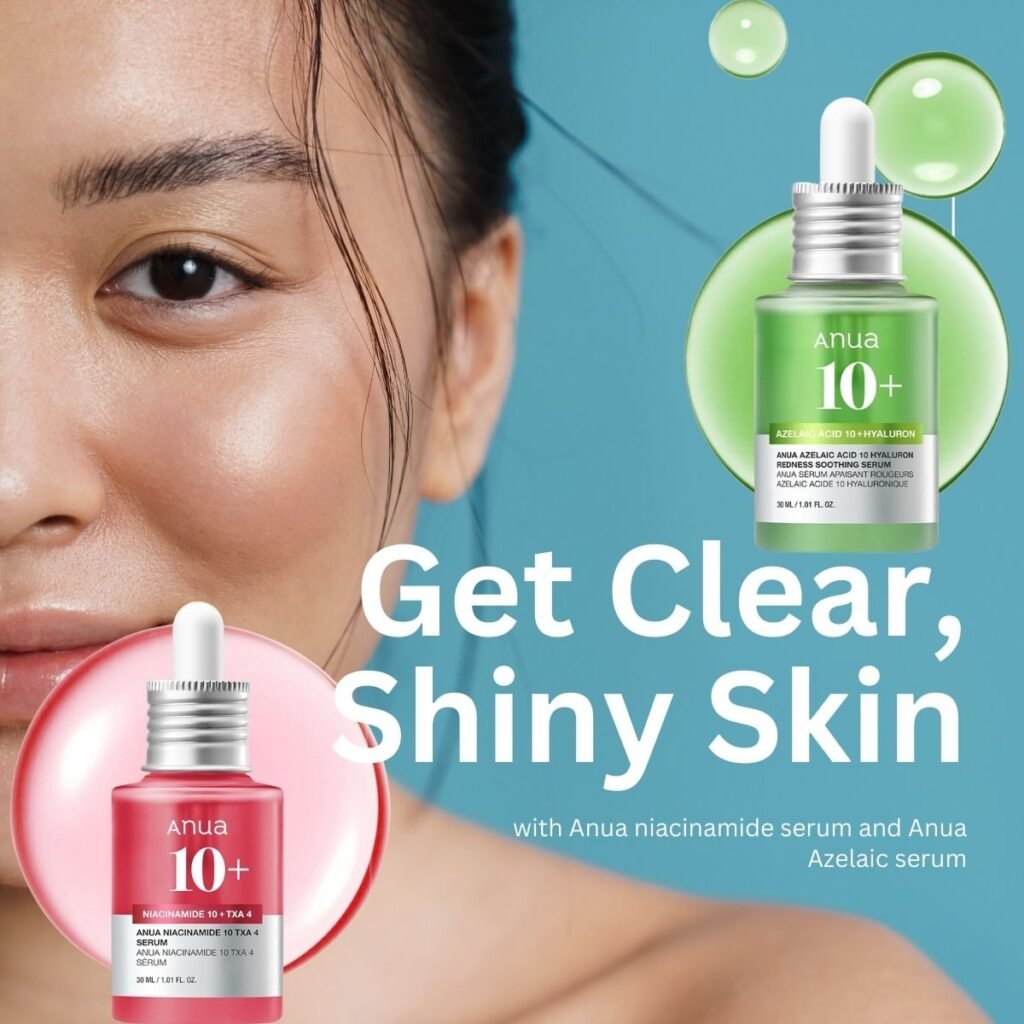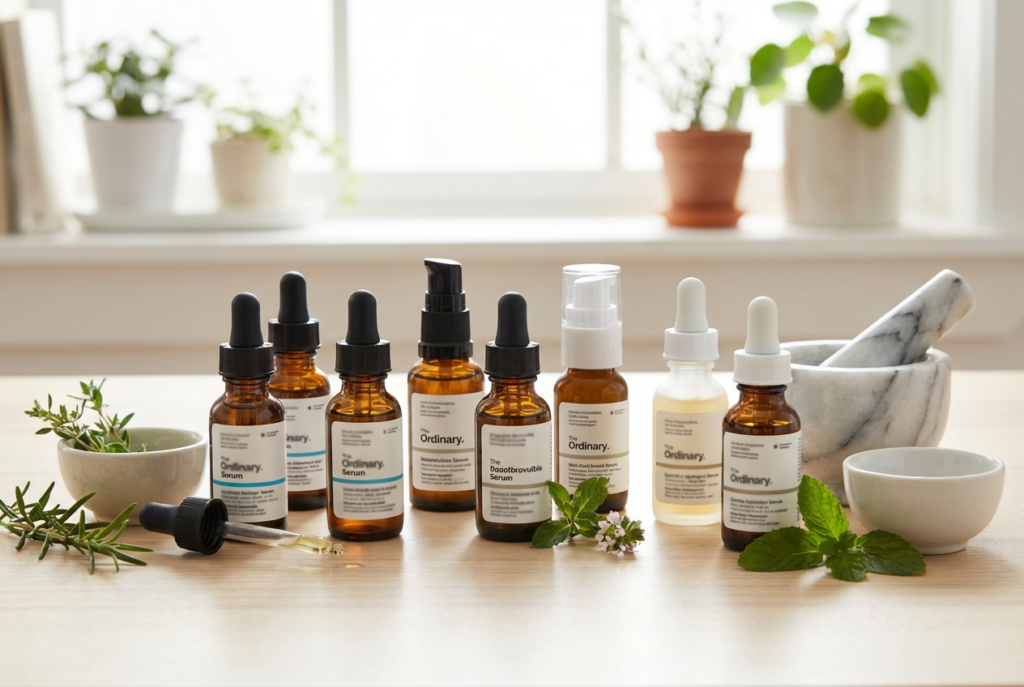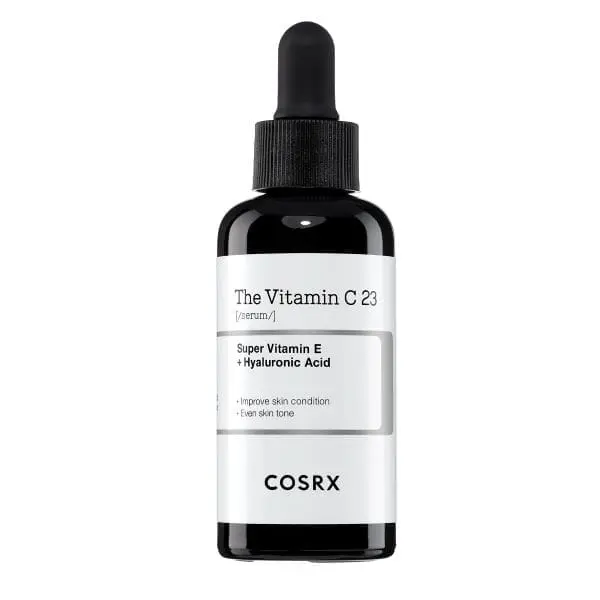
Healthy, glowing skin isn’t just about buying expensive skincare products, it’s about using the right ingredients at the right time.
Your skin has different needs during the day and at night. During the day, it works hard to defend itself against UV rays, pollution, heat, and environmental stress. At night, it shifts into repair mode, replacing damaged skin cells and restoring moisture.
Choosing ingredients that support these natural processes can make your skincare routine more effective while helping you avoid irritation.
In this guide, we’ll explain the best skincare ingredients for your morning and evening routines, what each ingredient does, and which combinations to avoid.
Why Your Skin Needs Different Care During the Day and Night
Your skin follows a natural 24-hour cycle.
During the day, its primary role is protection. It faces challenges such as:
- Sun exposure
- Air pollution
- Dirt and bacteria
- Blue light from electronic devices
- Loss of moisture
At night, your skin focuses on recovery by:
- Producing new skin cells
- Repairing daily damage
- Restoring hydration
- Building collagen
- Strengthening the skin barrier
Because of these changing needs, your skincare products should also change.
The Best Ingredients for Your Morning Skincare Routine
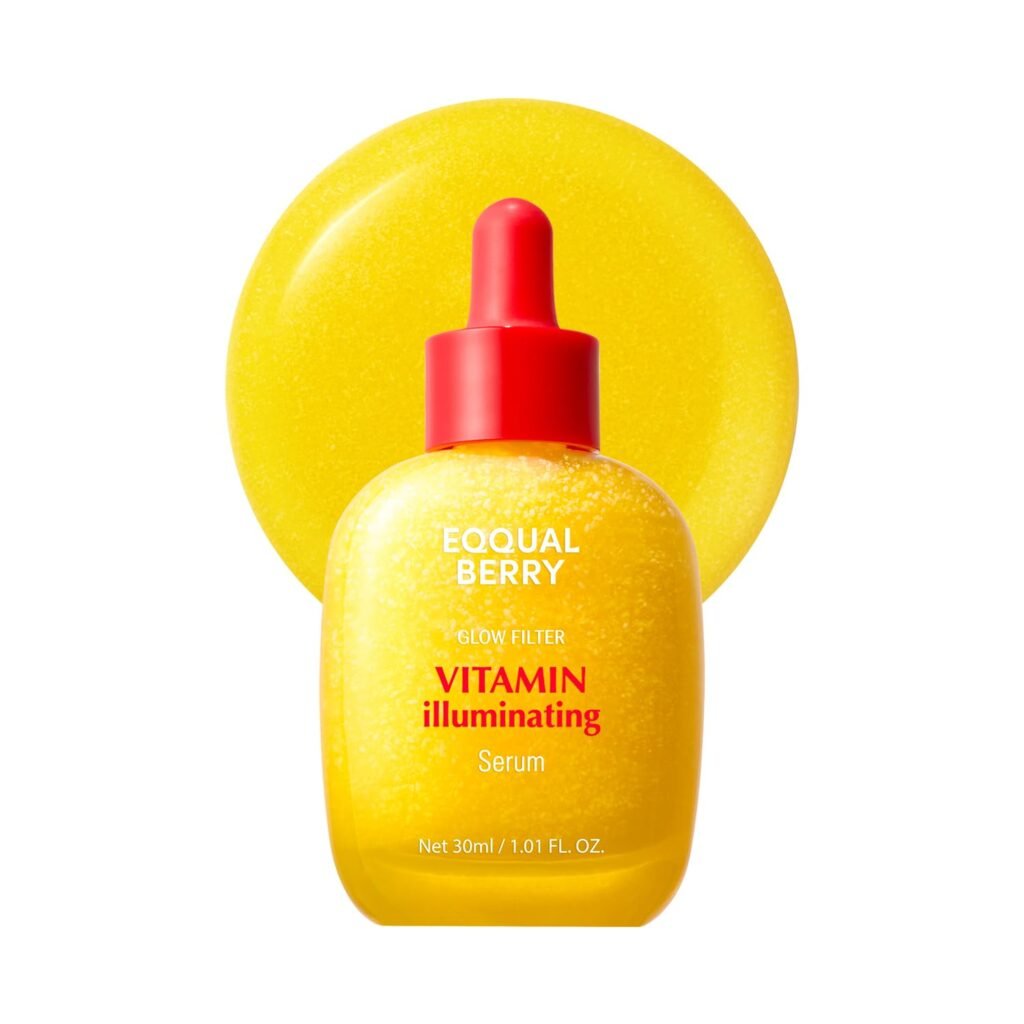
1. Vitamin C
Vitamin C is one of the best daytime antioxidants.
Benefits
- Brightens dull skin
- Helps fade acne marks
- Protects against free radical damage
- Supports collagen production
- Improves skin tone
During the day, sunlight and pollution create unstable molecules called free radicals that can damage skin cells. Vitamin C helps neutralize these molecules, reducing premature ageing.
Best for:
- Uneven skin tone
- Dark spots
- Dull skin
- Fine lines
2. Sunscreen (SPF 30 or Higher)
If there is one skincare product everyone should use every morning, it’s sunscreen.
Benefits
- Protects against UV damage
- Prevents premature ageing
- Reduces pigmentation
- Lowers the risk of skin cancer
- Helps preserve results from other skincare products
Even the best serum cannot protect your skin if you skip sunscreen.
Apply sunscreen every morning and reapply throughout the day if you’re spending time outdoors.
3. Hyaluronic Acid
Hydration is important throughout the day.
Hyaluronic acid attracts water to the skin, helping it stay soft and smooth.
Benefits
- Keeps skin hydrated
- Reduces tightness
- Improves skin elasticity
- Creates a smoother appearance
It works well under sunscreen and makeup because it is lightweight and non-greasy.
4. Niacinamide
Niacinamide is one of the most versatile skincare ingredients.
Benefits
- Reduces redness
- Controls excess oil
- Minimizes enlarged pores
- Improves skin barrier function
- Helps fade post-acne marks
It pairs well with many other ingredients, making it suitable for most skin types.
5. Ceramides
Ceramides are naturally found in healthy skin.
They help lock in moisture and strengthen the protective barrier.
Benefits
- Prevent moisture loss
- Reduce sensitivity
- Support healthy skin
- Improve dry skin
People with eczema, sensitive skin, or dryness often benefit from products containing ceramides.
The Best Ingredients for Your Night Skincare Routine
Nighttime is when your skin repairs itself.
This is the ideal time to use ingredients that renew skin cells and address long-term concerns.
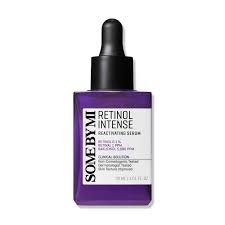
1. Retinol
Retinol is considered one of the most effective anti-ageing ingredients.
Benefits
- Stimulates collagen production
- Reduces wrinkles
- Improves skin texture
- Helps clear acne
- Speeds up cell turnover
Because retinol can increase sun sensitivity, it should only be used at night.
If you’re new to retinol, start with two nights per week and gradually increase as your skin adapts.
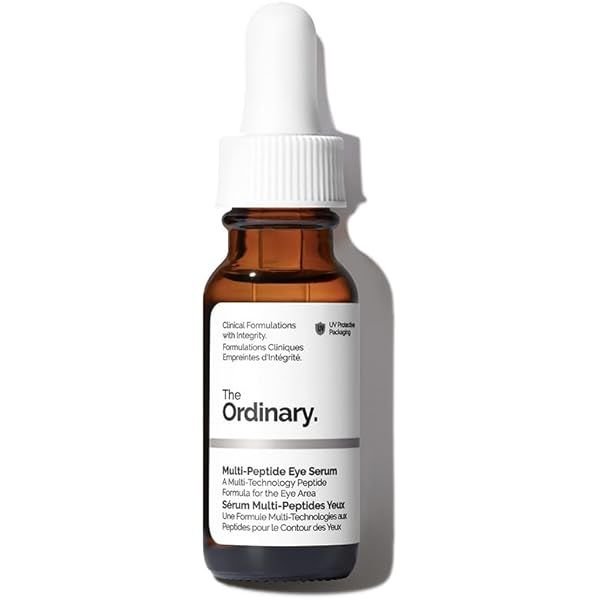
2. Peptides
Peptides are small proteins that signal your skin to produce more collagen.
Benefits
- Improve firmness
- Reduce fine lines
- Support skin repair
- Improve elasticity
Peptides are gentle enough for most skin types and work well alongside moisturizers.
3. AHAs (Alpha Hydroxy Acids)
Examples include:
- Glycolic Acid
- Lactic Acid
- Mandelic Acid
These ingredients remove dead skin cells from the surface.
Benefits
- Smooth rough skin
- Brighten complexion
- Improve skin texture
- Fade pigmentation
Use only a few times per week unless otherwise directed.
4. BHAs (Salicylic Acid)
Salicylic acid penetrates into pores to remove excess oil.
Benefits
- Reduces acne
- Prevents blackheads
- Clears clogged pores
- Controls oily skin
It is especially beneficial for acne-prone skin.
5. Nourishing Moisturizers
After active ingredients, your skin needs hydration.
Look for moisturizers containing:
- Ceramides
- Squalane
- Glycerin
- Shea butter
These ingredients help lock in moisture while your skin repairs overnight.
Ingredients That Work Well Together
Some skincare ingredients complement each other and can enhance your routine when used correctly.
| Ingredient | Works Well With | Why |
|---|---|---|
| Vitamin C | Sunscreen | Provides antioxidant protection and helps defend against UV-induced damage. |
| Hyaluronic Acid | Almost everything | Adds hydration and supports the skin barrier. |
| Niacinamide | Hyaluronic Acid | Hydrates while helping to regulate oil and reduce redness. |
| Peptides | Ceramides | Supports skin repair and strengthens the barrier. |
| Ceramides | Hyaluronic Acid | Hydrates the skin and helps retain moisture. |
Ingredients to Be Careful About Combining
While many ingredients can be layered safely, some combinations may increase the risk of irritation, especially for sensitive skin.
- Retinol + AHAs/BHAs: Both speed up skin renewal, so using them together can cause dryness or irritation. Consider alternating nights.
- Retinol + Benzoyl Peroxide: Benzoyl peroxide may reduce the effectiveness of retinol and increase irritation.
- Multiple exfoliating acids at once: Using several exfoliating products in the same routine may weaken the skin barrier.
If you’re introducing active ingredients for the first time, start with one new product at a time and observe how your skin responds.
Building a Simple Day Routine
- Gentle cleanser
- Vitamin C serum
- Niacinamide (optional)
- Hyaluronic acid
- Moisturizer
- Sunscreen
Building a Simple Night Routine
- Cleanser
- Retinol or an exfoliating acid (on alternate nights)
- Peptide serum (optional)
- Moisturizer containing ceramides or squalane
Choosing the Right Ingredients for Your Skin Type
- Oily skin: Niacinamide, salicylic acid, lightweight moisturizers.
- Dry skin: Hyaluronic acid, ceramides, squalane, glycerin.
- Sensitive skin: Ceramides, niacinamide, hyaluronic acid, fragrance-free products.
- Acne-prone skin: Salicylic acid, niacinamide, retinoids (if appropriate).
- Mature skin: Retinol, peptides, vitamin C, sunscreen.
Final Thoughts
A successful skincare routine isn’t about using the most products, it’s about using the right ingredients consistently. By matching your routine to your skin’s natural daytime protection and nighttime repair cycles, you can improve hydration, reduce signs of ageing, manage acne, and maintain a healthy skin barrier.
If you’re unsure where to start or need help choosing products for your skin type, the team at Habillon Pharmacy is here to help. Our pharmacists can recommend skincare products that align with your skin concerns and help you build a routine that works for you.