When building a skincare routine, most people know the basics: cleanse, moisturize, and apply sunscreen. But there is one step that is often misunderstood or completely skipped, toner.
You may have heard that toners are only meant to remove leftover dirt after cleansing or that they are unnecessary if you already use a good cleanser. While toner isn’t an absolute requirement for every skincare routine, the right toner can provide additional hydration, exfoliation, soothing benefits, or oil control depending on its formulation.
Modern toners have also changed significantly. Many are no longer the harsh, alcohol-heavy products traditionally associated with stripping oil from the skin. Today’s toners can contain beneficial skincare ingredients such as hyaluronic acid, niacinamide, centella asiatica, PDRN, salicylic acid, glycolic acid, ceramides, and antioxidants.
So, should you be using one? Let’s look at what toners actually do.
What Is a Toner?
A toner is a lightweight liquid skincare product typically applied after cleansing and before serums and moisturizers.
Think of toner as a step that can prepare your skin for the rest of your routine while delivering additional ingredients based on your particular skin concerns.
However, not all toners perform the same function.
Some are designed primarily to hydrate, while others help with exfoliation, oiliness, clogged pores, uneven skin tone, sensitivity, or supporting the skin barrier.
This is why choosing your toner according to your skin type and concerns is more important than simply adding any toner to your routine.
1. Toners Can Give Your Skin an Extra Layer of Hydration
One of the biggest benefits of modern toners is hydration. Hydrating toners may contain humectants such as hyaluronic acid, glycerin, panthenol, and beta-glucan, which help attract and retain water in the skin. This can be particularly helpful if your skin frequently feels tight or dehydrated after cleansing. And remember: oily skin can still be dehydrated. Someone can have excess oil on the surface of their skin while still lacking sufficient water. A lightweight hydrating toner can therefore be useful for oily and combination skin without requiring a heavy cream.
2. Some Toners Help Remove Dead Skin Cells
Exfoliating toners contain ingredients such as AHAs, BHAs, and PHAs.
For example:
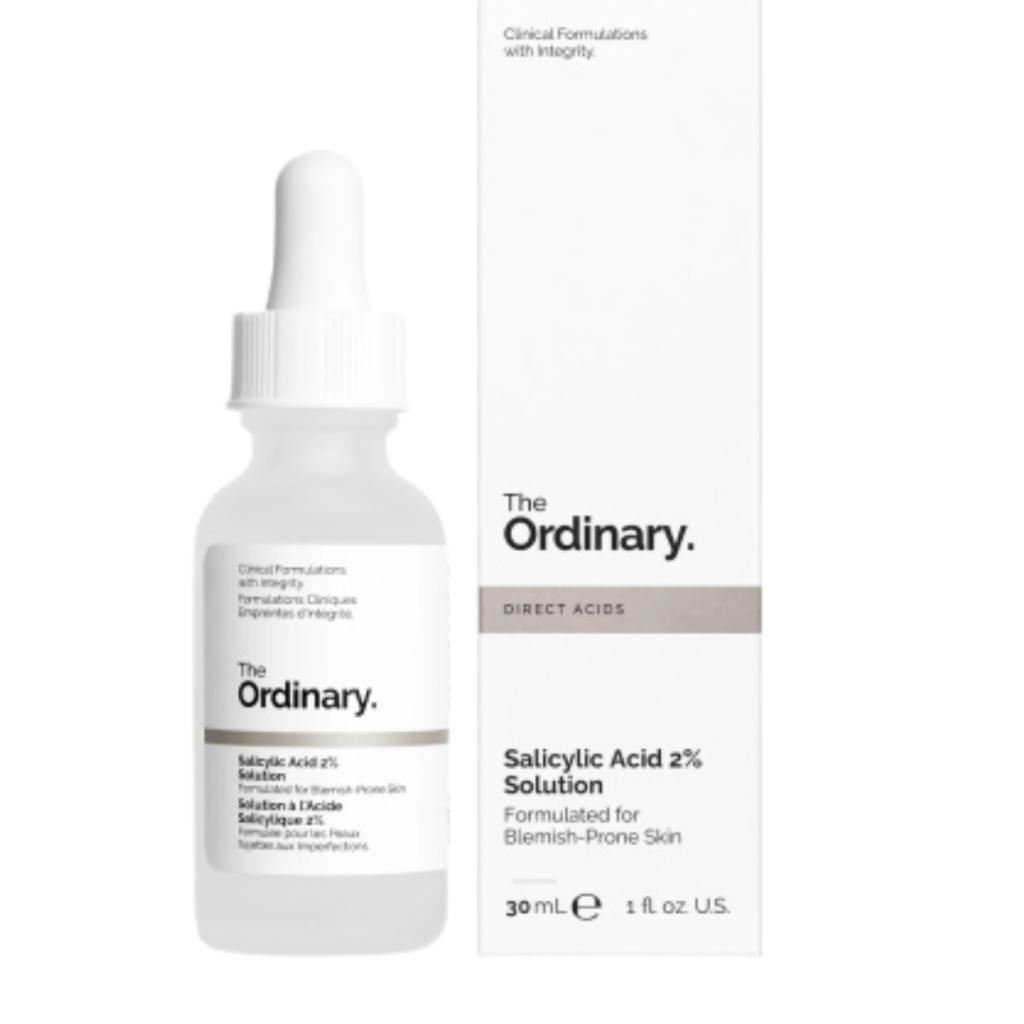
- Salicylic acid (BHA) can be particularly useful for oily and acne-prone skin because it helps clear excess oil and dead skin cells from pores.
- Glycolic acid (AHA) exfoliates the skin’s surface and may help improve uneven texture and dullness.
- Lactic acid (AHA) provides exfoliation while also having humectant properties.
- PHAs generally provide gentler surface exfoliation and may suit people who cannot tolerate stronger exfoliating acids.
Regular, appropriate exfoliation can leave the skin looking smoother and brighter.
However, more exfoliation does not mean better results. Overusing exfoliating toners can cause irritation, dryness, and damage to the skin barrier.
3. Toners Can Help Manage Oily and Congested Skin
If you struggle with excess oil, blackheads, or clogged pores, the right toner can be a useful addition to your routine.
Look for ingredients such as:
Salicylic acid – helps remove excess oil and dead skin cells that can contribute to clogged pores.
Niacinamide – can support the skin barrier and may help improve the appearance of excess oil and enlarged pores.
Zinc-containing formulations – are sometimes included in products intended for oily or blemish-prone skin.
Avoid choosing a toner simply because it leaves your face feeling extremely dry or “squeaky clean.” That sensation does not necessarily mean the product is working better.
A good oily-skin routine should aim for balance rather than stripping the skin of all its natural oils.
4. Toners Can Help Soothe Sensitive or Irritated Skin
Not every toner is about exfoliation.
Many Korean skincare toners and modern formulations focus primarily on soothing and barrier support.
Ingredients such as:
- Centella asiatica
- Panthenol
- Oat extracts
- Green tea
- Heartleaf
- Ceramides
- Allantoin
can be found in toners formulated for sensitive or easily irritated skin.
If your skin is sensitive, consider choosing a gentle, fragrance-free toner without strong exfoliating acids or high concentrations of drying alcohols.
5. Toners Can Target Uneven Skin Tone and Dullness
Certain toners contain brightening ingredients designed to complement the rest of your skincare routine.
Ingredients such as niacinamide, vitamin C derivatives, alpha arbutin, rice extracts, licorice root extract, and exfoliating acids may help improve the appearance of dull or uneven skin over time.
The important thing is consistency.
A toner should not be expected to transform hyperpigmentation overnight. Instead, it can form part of a broader routine that includes appropriate treatment products and, most importantly, daily sunscreen.
6. Toners Can Complement Your Serums and Treatments
Your skincare products don’t necessarily work better simply because a toner was applied first. However, a hydrating toner can leave the skin comfortably hydrated before you apply your serum or moisturizer.
A simple routine might look like this:
Cleanser → Toner → Serum/Treatment → Moisturizer → Sunscreen
During your evening routine:
Cleanser → Toner → Serum/Treatment → Moisturizer
You don’t necessarily need every possible skincare step. Choose products based on what your skin actually needs.
7. There Is a Toner for Almost Every Skin Type
The secret isn’t just using toner. It is choosing the right toner for your skin.
Oily & Acne-Prone Skin
Consider lightweight toners containing ingredients such as salicylic acid, niacinamide, or soothing ingredients.
Avoid excessively stripping products, particularly if you’re already using acne treatments.
Dry & Dehydrated Skin
Look for hydrating ingredients such as hyaluronic acid, glycerin, panthenol, ceramides, and beta-glucan.
Creamy or milky toners can also be suitable for dry skin.
Sensitive Skin
Keep things simple.
Look for fragrance-free, alcohol-free or low-irritant formulations containing soothing ingredients such as centella, oat, panthenol, or allantoin.
Combination Skin
A lightweight hydrating or balancing toner can work well. Your choice should depend on whether your main concern is dehydration, oiliness, clogged pores, or sensitivity.
Dull or Uneven Skin
Consider toners containing ingredients such as niacinamide, rice extracts, vitamin C derivatives, or carefully formulated exfoliating acids.
Do You Really Need a Toner?
Here’s the important part: toner is not mandatory for healthy skin.
A good basic skincare routine can consist of a suitable cleanser, moisturizer, and daily sunscreen.
However, toner becomes particularly useful when you want to introduce another layer of hydration, soothing ingredients, controlled exfoliation, or targeted ingredients into your routine.
Rather than asking:
“Do I need a toner?”
A better question is:
“What do I want my toner to do for my skin?”
Once you know your skin type and concern, choosing the right product becomes much easier.
Common Toner Mistakes to Avoid
Even a good toner can cause problems when used incorrectly.
Avoid:
- Choosing a toner simply because it is trending
- Using strong exfoliating toners every day when your skin cannot tolerate them
- Combining too many exfoliating products in the same routine
- Assuming a burning or stinging sensation means the product is working
- Using products that leave your skin excessively dry or irritated
- Expecting toner alone to treat persistent acne or pigmentation
- Skipping sunscreen while using exfoliating skincare products
Always follow the manufacturer’s directions and introduce active ingredients gradually.
How Should You Apply Toner?
After cleansing, apply your toner according to its product instructions.
For many hydrating toners, you can place a small amount into clean palms and gently press it onto your face.
Alternatively, you can use a cotton pad, particularly where the product’s instructions recommend it.
Allow it to absorb before continuing with your serum, moisturizer, and other skincare products.
And remember: you don’t need to use large amounts.
Toners have evolved far beyond the harsh, drying products many people remember.
Today’s toners can hydrate, soothe, exfoliate, support oily or blemish-prone skin, and deliver useful skincare ingredients depending on their formulation.
The key is not simply adding a toner because everyone else is using one. Choose one that addresses your particular skin type and concern.
At Habillon Pharmacy, we stock a variety of skincare products suitable for different skin types and concerns. Whether you’re looking for a hydrating toner for dry skin, a soothing toner for sensitive skin, or an exfoliating toner for oily and congested skin, choosing the right formulation can make a valuable difference in your routine.
Not sure which toner is right for your skin? Talk to the team at Habillon Pharmacy for help selecting skincare products that suit your skin type and routine.