Your bathroom shelf is probably stacked with serums that promised miracles and delivered nothing. You’ve watched countless videos, read ingredient breakdowns, and still can’t figure out which products actually deserve space in your routine. The frustration is real, especially when two seemingly similar serums from the same brand both claim to solve your skin problems.
Here’s the thing about Anua’s niacinamide serum and Anua’s azelaic serum: they’re not interchangeable, despite what some influencers might suggest. These formulas target different mechanisms in your skin, and choosing wrong means months of waiting for results that won’t come. I’ve spent considerable time analyzing both formulations, tracking user experiences, and understanding the science behind each active ingredient. The differences matter more than most people realize.
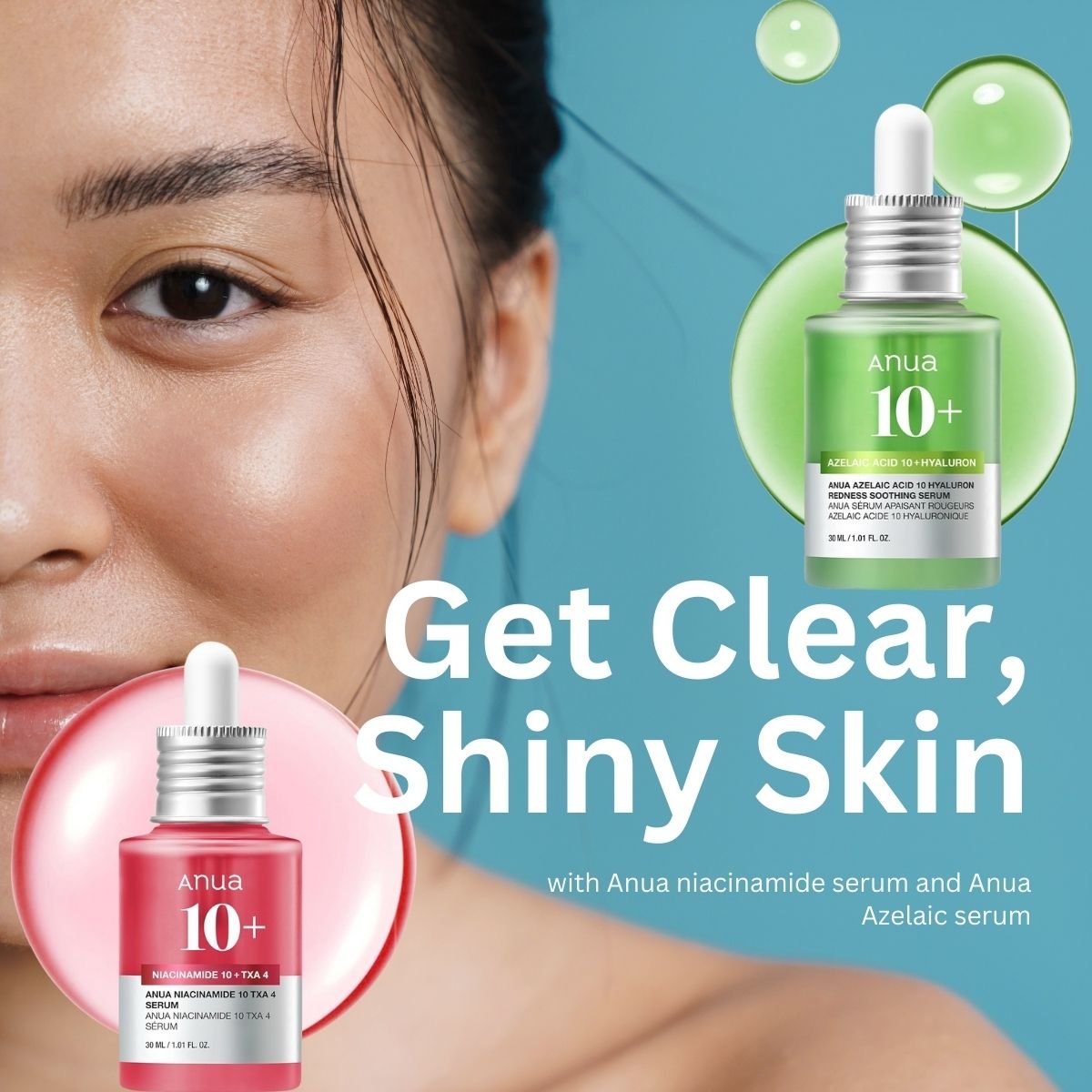
The Anua Niacinamide 10% + TXA 4% Serum and the Anua Azelaic Acid 10% Serum represent two distinct approaches to common skin concerns. One focuses on barrier repair and pigmentation through vitamin B3 pathways. The other tackles inflammation and bacterial overgrowth through a multifunctional acid. Both address issues like uneven skin tone and breakouts, but the way they get there couldn’t be more different. Understanding these mechanisms helps you match the right serum to your specific skin concerns and see actual benefits rather than just hoping something works.
Niacinamide vs. Azelaic Acid Benefits
Before comparing specific Anua products, you need to understand what each active ingredient actually does at a cellular level. Marketing copy tends to blur these distinctions, making everything sound like it does everything. The reality is more nuanced and more useful once you grasp it.
Niacinamide and azelaic acid both appear on lists of ingredients that help with acne, pigmentation, and overall skin health. But they achieve these outcomes through entirely different pathways. Think of them as two different tools that can both tighten a bolt: a wrench and a socket work, but one might be dramatically better for your specific situation.
Niacinamide: The Barrier Builder and Pore Refiner
Niacinamide, also called nicotinamide or vitamin B3, works primarily by boosting your skin’s production of ceramides. These lipids form the mortar between your skin cells, keeping moisture in and irritants out. When your barrier is compromised, everything goes wrong: dehydration, sensitivity, increased oil production as your skin tries to compensate.
The pore-minimizing effect people love comes from niacinamide’s ability to regulate sebum production. Research shows it can reduce sebum excretion by up to 23% over several weeks of consistent use. Less oil means pores appear smaller and stay cleaner. This isn’t actually shrinking the pore structure but rather preventing the stretching that comes from excess sebum and debris accumulation.
For pigmentation, niacinamide interrupts the transfer of melanin from melanocytes to keratinocytes. Your skin still produces melanin, but less of it reaches the surface where you see it as dark spots. This mechanism makes niacinamide particularly effective for:
- Post-inflammatory hyperpigmentation from healed acne
- Melasma when used alongside sun protection
- General uneven skin tone and dullness
- Age spots and sun damage over time
The anti-inflammatory properties are real but relatively mild compared to dedicated anti-inflammatory ingredients. Niacinamide calms irritation and redness, but it’s not the heavy hitter you’d reach for with active inflammatory conditions.
Azelaic Acid: The Redness Reliever and Acne Fighter
Azelaic acid operates on multiple fronts simultaneously, which explains why dermatologists prescribe it for such varied conditions. It’s one of the few ingredients that genuinely multitasks rather than just claiming to.
The antibacterial action targets Cutibacterium acnes, the bacteria implicated in inflammatory acne. Unlike benzoyl peroxide, which kills bacteria through oxidation, azelaic acid interferes with bacterial protein synthesis. This means it’s effective without the harsh drying and bleaching effects that make benzoyl peroxide difficult for many people to tolerate.
For rosacea and redness, azelaic acid reduces the production of reactive oxygen species and calms the inflammatory cascade. Clinical studies show significant improvement in papulopustular rosacea with consistent use. The redness reduction isn’t just masking the problem: it’s addressing the underlying inflammatory process.
The tyrosinase inhibition provides brightening benefits similar to niacinamide but through a different mechanism. Azelaic acid blocks the enzyme that catalyzes melanin production. This makes it particularly effective for:
- Rosacea-related redness and papules
- Hormonal acne along the jawline and chin
- Post-inflammatory erythema (red marks from acne)
- Melasma, especially in combination with other treatments
One underappreciated benefit is azelaic acid’s keratolytic action. It helps normalize the shedding of dead skin cells, preventing the buildup that clogs pores and contributes to both acne and rough texture. This gentle exfoliation occurs without the irritation potential of stronger acids like glycolic or salicylic.
Understanding Anua Niacinamide 10% + TXA 4% Serum
Anua’s niacinamide formula isn’t just straight vitamin B3. The addition of tranexamic acid at 4% concentration signals that this serum is specifically engineered for pigmentation concerns. This combination targets discoloration through multiple pathways simultaneously.
Tranexamic acid, originally developed as a blood-clotting medication, has gained serious traction in skincare for its ability to interrupt melanin production. It works by blocking the interaction between keratinocytes and melanocytes, essentially cutting the communication line that triggers excess pigment production. Combined with niacinamide’s melanin transfer inhibition, you get a two-pronged approach to stubborn dark spots.
The 10% niacinamide concentration hits the sweet spot for most people. Research supports concentrations between 2-5% for general benefits, but higher concentrations show enhanced efficacy for specific concerns like hyperpigmentation. Some people experience flushing or irritation at 10%, but this typically resolves as skin acclimates over two to three weeks.
Targeting Stubborn Hyperpigmentation and Dark Spots
If you’ve dealt with post-acne marks that linger for months or years, you understand the frustration of products that promise fading but deliver nothing. The Anua niacinamide serum addresses this specific concern more aggressively than most over-the-counter options.
The tranexamic acid component is particularly valuable for hormonally-triggered pigmentation. Melasma sufferers often find that standard brightening ingredients barely touch their discoloration because the underlying hormonal signals keep triggering melanin production. Tranexamic acid interrupts this cycle at a different point than typical brightening agents.
What makes this formula stand out for hyperpigmentation:
- Dual mechanism of action through niacinamide and tranexamic acid
- Addresses both existing pigment and ongoing production
- Works on various types of discoloration, not just one kind
- Pairs well with vitamin C and retinoids for enhanced results
- Doesn’t increase photosensitivity like some brightening actives
The results timeline varies significantly based on how deep the pigmentation sits. Surface-level discoloration might show improvement within four to six weeks. Deeper melasma or long-standing hyperpigmentation requires three to six months of consistent use. Setting realistic expectations prevents the discouragement that leads people to abandon effective products too soon.
Texture and Absorption for Oily Skin Types
Serum texture matters more than people acknowledge. A brilliant formula that sits on your skin feeling greasy or pills under sunscreen becomes a product you stop using. Consistency with skincare beats perfection in formulation every time.
The Anua niacinamide serum has a lightweight, watery consistency that absorbs quickly without residue. For oily and combination skin types, this texture works well under moisturizer and sunscreen without adding to the slick feeling that makes makeup slide off by noon.
The absorption profile also matters for layering. Because niacinamide plays well with most other actives, you’ll likely want to use this serum as part of a multi-step routine. Quick absorption means you’re not waiting five minutes between each product, which realistically means you’ll actually complete your routine rather than skipping steps when rushed.
For oily skin specifically, the sebum-regulating benefits compound over time. Users typically report noticeable oil reduction within three to four weeks, with continued improvement over several months. This isn’t about stripping oil but rather normalizing production so your skin stops overcompensating.
Understanding Anua Azelaic Acid 10% Serum
The Anua azelaic acid serum takes a different approach, prioritizing anti-inflammatory and antibacterial benefits while still offering brightening effects. The 10% concentration matches prescription-strength formulas available in some countries, making this a serious treatment product rather than a gentle introduction to the ingredient.
Azelaic acid’s reputation has grown significantly as more people discover it works for conditions that don’t respond well to conventional acne treatments. Those with sensitive skin who can’t tolerate benzoyl peroxide or strong retinoids often find azelaic acid provides similar benefits without the harsh side effects.
The formula includes soothing ingredients to offset any potential irritation from the active concentration. This thoughtful formulation acknowledges that people reaching for azelaic acid often have reactive skin that needs gentle handling even while receiving treatment.
Calming Rosacea and Sensitive Skin Inflammation
Rosacea management is notoriously difficult because so many effective skincare ingredients trigger flares. The condition involves chronic inflammation, vascular abnormalities, and often bacterial involvement: a perfect storm that limits treatment options.
Azelaic acid at this concentration is one of the few over-the-counter options with genuine clinical support for rosacea. Studies demonstrate reduction in both redness and papulopustular lesions with consistent use. The anti-inflammatory mechanism addresses the underlying problem rather than just temporarily reducing visible redness.
For general skin sensitivity and inflammation, the benefits include:
- Reduction in baseline redness over several weeks
- Fewer inflammatory responses to triggers
- Calming of post-procedure irritation
- Support for compromised barrier function
- Compatibility with other gentle actives
The key with rosacea is patience. Improvement happens gradually over eight to twelve weeks, and some people experience a brief adjustment period where symptoms temporarily increase before improving. This purging-like phase discourages many users, but pushing through typically leads to significant long-term improvement.
Bacterial Control for Persistent Breakouts
Acne that doesn’t respond to typical treatments often involves bacterial resistance or inflammatory patterns that standard ingredients don’t address. Azelaic acid’s antibacterial mechanism differs from benzoyl peroxide, making it effective even when other treatments have failed.
The antibacterial action is selective, targeting the specific bacteria involved in acne without disrupting the broader skin microbiome. This selectivity matters because healthy skin bacteria provide protective benefits that you don’t want to eliminate.
For hormonal acne patterns, particularly the deep, painful cysts along the jawline and chin, azelaic acid offers relief through both its antibacterial and anti-inflammatory properties. These breakouts often involve significant inflammation that perpetuates the cycle of new lesions forming as old ones heal.
The keratolytic effect prevents the dead skin cell buildup that traps bacteria and oil in pores. This gentle exfoliation complements the antibacterial action, addressing acne formation at multiple stages rather than just treating existing breakouts.
Head-to-Head Comparison: Formula and Ingredients
Looking at these serums side by side reveals distinct formulation philosophies. The niacinamide serum optimizes for pigmentation correction with supporting ingredients that enhance brightening. The azelaic acid serum prioritizes calming and antibacterial benefits with ingredients that support sensitive skin tolerance.
Both formulas demonstrate Anua’s understanding that active ingredients need proper support to work effectively. A high-concentration active in a poorly formulated base often underperforms compared to moderate concentrations in well-designed vehicles.
Supporting Actives: Hyaluronic Acid vs. Soothing Botanicals
The niacinamide serum includes hyaluronic acid to provide hydration without heaviness. This combination makes sense because niacinamide’s barrier-supporting benefits work better when skin is adequately hydrated. Dry, dehydrated skin can’t properly utilize ingredients designed to strengthen its structure.
Additional supporting ingredients in the niacinamide formula work to:
- Enhance penetration of active ingredients
- Provide antioxidant protection
- Support overall skin health during treatment
- Maintain comfortable hydration levels
The azelaic acid serum takes a different approach, incorporating botanical extracts known for soothing reactive skin. These ingredients help offset any potential irritation from the 10% azelaic acid concentration, making the formula tolerable for sensitive skin types that might otherwise struggle with this active.
The soothing complex typically includes ingredients like centella asiatica, known for its wound-healing and anti-inflammatory properties. This thoughtful formulation acknowledges that people using azelaic acid often have skin that needs extra care.
pH Levels and Stability Considerations
Active ingredient efficacy depends heavily on formulation pH. Both niacinamide and azelaic acid have specific pH ranges where they perform optimally, and formulating outside these ranges essentially wastes the active ingredient.
Niacinamide works best at pH levels between 5 and 7, which conveniently matches healthy skin pH. This compatibility means less potential for irritation and better integration with the skin’s natural chemistry. The Anua niacinamide serum is formulated within this optimal range.
Azelaic acid requires slightly lower pH, typically between 4 and 5, to maintain stability and efficacy. This mild acidity enhances the keratolytic effects while remaining gentle enough for most skin types. The formula balances this pH requirement with soothing ingredients to prevent irritation.
Stability considerations extend beyond pH to include:
- Protection from light degradation
- Prevention of oxidation over time
- Maintenance of active ingredient potency
- Preservation against microbial contamination
Both serums use appropriate packaging and preservative systems to maintain stability throughout their shelf life. Dark or opaque packaging protects light-sensitive components, while airless pumps or sealed droppers prevent oxidation from repeated air exposure.
Choosing the Winner for Your Specific Skin Concerns
The “best” serum depends entirely on what your skin actually needs. Generic recommendations that don’t account for individual skin concerns waste your time and money. Let’s get specific about which formula wins for which problems.
Your skin concerns rarely exist in isolation. Most people deal with multiple issues simultaneously: acne and dark spots, redness and texture, oiliness and dehydration. Understanding which concern is primary helps you choose the right starting point, with the option to incorporate additional products for secondary concerns.
Best for Post-Inflammatory Hyperpigmentation (PIH)
Post-inflammatory hyperpigmentation, those brown or dark marks left behind after acne heals, responds exceptionally well to the Anua niacinamide serum. The combination of niacinamide and tranexamic acid addresses PIH through multiple mechanisms.
The niacinamide inhibits melanin transfer, preventing existing pigment from reaching the skin surface where it becomes visible. Meanwhile, tranexamic acid interrupts the inflammatory signals that trigger excess melanin production in the first place. This dual approach accelerates fading compared to single-ingredient products.
For PIH specifically, the niacinamide serum wins because:
- It directly targets melanin transfer mechanisms
- Tranexamic acid addresses the inflammatory component
- The formula doesn’t increase sun sensitivity
- Results appear within reasonable timeframes
- It pairs safely with other brightening actives
The azelaic acid serum also helps with PIH through its tyrosinase inhibition, but its primary strengths lie elsewhere. If PIH is your main concern with minimal active breakouts or redness, the niacinamide formula is your better choice.
Timeline expectations for PIH: surface-level marks may fade noticeably within six to eight weeks. Deeper pigmentation requires three to four months of consistent use. Combining with daily sunscreen is non-negotiable: sun exposure triggers more melanin production and undoes your progress.
Best for Redness and Post-Inflammatory Erythema (PIE)
Post-inflammatory erythema, the pink or red marks from acne, differs fundamentally from PIH. These marks result from damaged blood vessels and ongoing inflammation, not excess melanin. This distinction matters because treatments that work for PIH often do nothing for PIE.
The Anua azelaic acid serum wins decisively for PIE and general redness concerns. Its anti-inflammatory properties address the vascular component that creates red marks, while the antibacterial action helps prevent new breakouts that would create more damage.
Rosacea sufferers should reach for the azelaic acid formula without hesitation. The clinical evidence supporting azelaic acid for rosacea is robust, and the 10% concentration in this serum matches what studies have shown effective.
For redness-related concerns, azelaic acid excels because:
- It directly addresses inflammatory pathways
- The antibacterial action prevents new lesions
- Clinical studies specifically support its use for rosacea
- It calms reactive skin over time
- The formula includes soothing support ingredients
The niacinamide serum has mild anti-inflammatory properties, but they’re not sufficient for significant redness or rosacea management. If redness is your primary concern, azelaic acid is the clear choice.
Timeline expectations for PIE and redness: initial improvement often appears within four to six weeks, but significant reduction requires two to three months. Rosacea management is ongoing, with azelaic acid serving as a maintenance treatment rather than a cure.
Can You Use Both Anua Serums Together?
The short answer is yes, but the implementation matters. Niacinamide and azelaic acid are compatible ingredients that can complement each other’s benefits. However, using both at full concentration simultaneously might overwhelm some skin types
The smart approach involves either alternating the serums or using them at different times of day. Morning and evening separation works well: niacinamide in the morning for its antioxidant support and sebum regulation, azelaic acid in the evening for its treatment benefits.
Alternating days is another viable strategy, especially when first introducing both products. This approach lets you gauge how your skin responds to each formula independently before combining them. Start with one serum for two weeks, then introduce the second on alternate days.
For those who want to layer both in the same routine, apply in order of consistency: typically the niacinamide serum first due to its lighter texture, followed by the azelaic acid serum. Allow each product to absorb for a minute or two before applying the next.
Signs you’re overdoing it include:
- Increased sensitivity or stinging
- Unusual dryness or flaking
- Redness that wasn’t present before
- Breakouts in areas that were previously clear
- A tight, uncomfortable feeling
If these occur, scale back to one serum and give your skin time to recover. More products don’t always mean better results: sometimes simplifying your routine produces the improvements you’ve been chasing.
The combination approach makes most sense for people dealing with multiple distinct concerns. If you have both PIH from old breakouts and ongoing redness from rosacea, using both serums (thoughtfully separated) addresses both issues without compromising either treatment.
Your skin’s tolerance determines what’s possible. Some people layer multiple actives without issue. Others need to keep routines minimal. Neither approach is wrong: the right routine is the one you’ll actually use consistently.
The verdict on these Anua serums comes down to your specific situation. For pigmentation, dark spots, and oily skin concerns, the niacinamide serum delivers targeted benefits through its vitamin B3 and tranexamic acid combination. For redness, rosacea, inflammatory acne, and sensitive skin, the azelaic acid serum provides the anti-inflammatory and antibacterial support that makes a real difference.
Stop buying products based on general hype and start matching formulas to your actual skin concerns. The right serum used consistently beats the wrong serum no matter how popular it is. Pick the one that addresses your primary concern, use it for at least eight weeks, and then assess whether you need to add the other formula to your routine.