
-
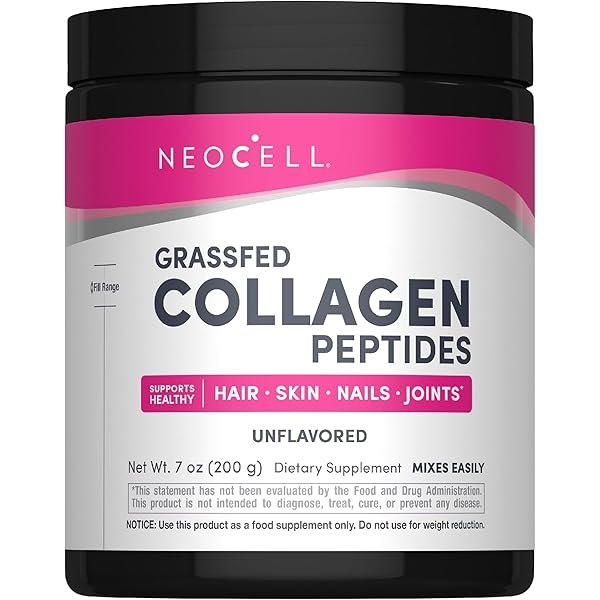
“Collagen powder” typically refers to hydrolyzed collagen peptides, which is collagen broken down into smaller, more easily absorbed protein fragments.
-
It’s usually sourced from animal tissues (commonly bovine or marine).
-
The powder is often neutral in smell and taste, making it easy to mix into drinks, smoothies, or food.
Potential Benefits & Purposes
Depending on the formulation and how consistently it’s used, collagen powder may offer several benefits:
-
Support skin, hair, nails, and overall skin structure — because collagen is a structural protein in skin, bone, and connective tissue. Some studies and expert commentary note collagen supplementation may contribute to skin elasticity, hydration, and general skin health.
-
Joint and bone health support — collagen is part of cartilage and bones, and some research suggests collagen supplements may help with joint comfort and bone strength.
-
Support for muscle mass (in certain contexts) — when combined with resistance training, collagen supplementation can contribute to muscle strength/mass, particularly in older adults.
-
Overall protein boost — as a source of amino acids, collagen powder can add to dietary protein intake, which can support general bodily functions.
What to Watch Out For — Limitations
It’s important to be realistic about collagen powder’s limitations and possible drawbacks:
-
Scientific evidence is mixed. While some studies and claims suggest benefits, results vary and long-term large-scale research is limited.
-
Supplements aren’t strictly regulated. According to some health authorities, there is no guarantee that a collagen powder contains exactly what the label claims (type or amount).
-
Potential digestive discomfort. Some users report bloating, gas, or mild stomach issues when taking collagen powders — especially if taken in large amounts or on an empty stomach.
-
Allergen and sourcing concerns. Since collagen typically comes from animal sources, there’s a risk of allergic reactions (especially if you have allergies to fish, shellfish, beef, etc.).
-
Possible contaminants. Poorly sourced animal collagen could carry heavy metals or other toxins depending on the source environment.
-
Not a full protein. Collagen lacks some essential amino acids and doesn’t replace complete protein dietary requirements. Relying solely on it for protein may create nutritional imbalance.
Reviews
There are no reviews yet.