
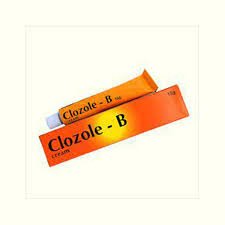
PRESCRIPTION NOTICE: Clozole B Cream is a Prescription Only Medicine (POM). It cannot legally be dispensed without a valid prescription from a licensed healthcare provider in Kenya. Do not use this medicine without medical supervision. Do not share this medicine with others even if they appear to have the same condition.
Clozole B Cream 15 g is a prescription-only topical combination medicine containing two active ingredients — clotrimazole, a broad-spectrum azole antifungal, and betamethasone dipropionate, a potent corticosteroid. The 15 g tube is formulated for the short-term topical treatment of dermatophyte and Candida fungal skin infections that are accompanied by significant inflammation, itching, and irritation — situations where antifungal treatment alone may provide insufficient symptomatic relief.
The rationale for combining an antifungal with a corticosteroid in a single formulation is to simultaneously address the two major components of symptomatic fungal skin infection — the underlying fungal pathogen and the host inflammatory response that drives the intense itching, redness, and discomfort that significantly impairs patient quality of life. If you have been prescribed Clozole B Cream for fungal skin infection treatment in Kenya, this medicine must be applied strictly as directed by your healthcare provider for the prescribed duration only. The price of Clozole B Cream in Kenya varies by pharmacy and is dispensed only on presentation of a valid prescription.
Key Benefits
- Dual-action formula — clotrimazole eliminates the fungal pathogen while betamethasone rapidly reduces inflammation, itching, and redness
- Broad-spectrum antifungal coverage — clotrimazole is effective against dermatophytes, Candida species, and Malassezia furfur
- Rapid symptomatic relief — the corticosteroid component provides fast reduction of the inflammatory symptoms that cause the most patient discomfort
- Convenient single-tube application — eliminates the need for a separate antifungal and anti-inflammatory product
- Topical administration — delivers high concentrations of both active ingredients directly at the site of infection with minimal systemic absorption when used as directed
- Compact 15 g tube — appropriate for short-course topical therapy of localised skin infections
- Well-established combination with extensive dermatological clinical use globally
What It Is & How It Works
Active Ingredients
Each gram of cream contains:
| Active Ingredient | Strength per gram | Role |
|---|---|---|
| Clotrimazole | 10 mg (1%) | Broad-spectrum azole antifungal — disrupts fungal cell membrane integrity |
| Betamethasone Dipropionate | 0.5 mg (0.05%) | Potent topical corticosteroid — reduces inflammation, itching, and redness |
How Each Ingredient Works
Clotrimazole — Azole Antifungal
Clotrimazole exerts its antifungal action by inhibiting fungal cytochrome P450-dependent 14-alpha-lanosterol demethylase — an enzyme essential for the conversion of lanosterol to ergosterol in the fungal cell membrane biosynthesis pathway. This inhibition results in:
- Ergosterol depletion — the primary structural sterol of the fungal cell membrane is depleted, compromising membrane integrity, fluidity, and function
- Accumulation of toxic sterol intermediates — methylated precursor sterols accumulate to concentrations that are directly toxic to the fungal cell membrane
- Fungal cell death or growth arrest — depending on the concentration achieved and the fungal species, clotrimazole produces either fungistatic (growth-inhibiting) or fungicidal (cell-killing) effects
Clotrimazole demonstrates broad-spectrum activity against dermatophytes (Trichophyton, Microsporum, Epidermophyton species), Candida species, and Malassezia furfur, covering the most clinically relevant fungal pathogens in Kenyan dermatological practice.
Betamethasone Dipropionate — Potent Topical Corticosteroid
Betamethasone dipropionate is classified as a Group III (potent) topical corticosteroid. It exerts its anti-inflammatory and antipruritic effects through multiple mechanisms:
- Genomic effects — betamethasone binds to intracellular glucocorticoid receptors, forming a receptor-steroid complex that translocates to the nucleus and modulates the transcription of anti-inflammatory proteins (lipocortin, annexin-1) while suppressing pro-inflammatory cytokines (IL-1, IL-2, TNF-alpha, interferon-gamma) and arachidonic acid metabolites (prostaglandins, leukotrienes)
- Inhibition of phospholipase A2 — via lipocortin induction, betamethasone inhibits the release of arachidonic acid from membrane phospholipids, blocking the entire downstream inflammatory cascade
- Vasoconstriction — betamethasone produces direct constriction of superficial dermal blood vessels, reducing erythema (redness) and local oedema
- Antipruritic effect — by reducing the inflammatory mediators responsible for stimulating cutaneous nerve endings, betamethasone significantly reduces the intensity of itch
The Clinical Rationale for Combination Use
In fungal skin infections complicated by significant inflammation, using an antifungal agent alone may be insufficient in the short term — the inflammatory response perpetuates symptoms and can cause secondary skin damage. By combining clotrimazole with betamethasone, Clozole B simultaneously eradicates the causative fungal pathogen and rapidly controls the inflammatory response, providing both microbiological cure and symptomatic relief within a single therapeutic formulation.
Classification
Clozole B Cream is classified as a Prescription Only Medicine (POM) in Kenya due to the potent corticosteroid component. Betamethasone dipropionate, as a Group III potent corticosteroid, carries significant risks of local and systemic side effects if used inappropriately, for prolonged periods, or on sensitive skin areas — necessitating medical supervision for all use. A valid prescription is required for dispensing at any registered pharmacy in Kenya.
Formulation
Topical cream. Each tube contains 15 g. For external use only. Do not apply to eyes, mouth, or mucous membranes. Do not swallow.
Uses & Indications
Clozole B Cream is indicated for the short-term topical treatment of:
- Tinea corporis (ringworm of the body) — with significant accompanying inflammation and pruritus
- Tinea cruris (jock itch) — dermatophyte infection of the groin and inner thighs with inflammatory component
- Tinea pedis (athlete’s foot) — particularly inflammatory presentations affecting the interdigital spaces and dorsum of the foot
- Cutaneous candidiasis — Candida skin infections with inflammatory and pruritic features, including intertriginous candidiasis (skin fold infections)
- Tinea versicolor (Malassezia furfur infection) — with inflammatory component
- Other dermatophyte or Candida skin infections accompanied by clinically significant inflammation, itching, or irritation
IMPORTANT: Clozole B Cream is indicated ONLY for short-term use — typically 2 to 4 weeks maximum as directed by a physician. It is NOT appropriate for long-term or unsupervised use. It is NOT indicated for tinea capitis (scalp ringworm), onychomycosis (nail infections), or any fungal infection where oral antifungal therapy is clinically indicated. It must NOT be used as a general-purpose skin cream, moisturiser, or unsupervised self-treatment product due to the potent corticosteroid content.
Dosage & Administration
This medicine requires a valid prescription. Use only as prescribed by your healthcare provider. The following information is provided for general reference only and does not constitute prescribing advice.
| Indication | Application | Frequency | Maximum Duration |
|---|---|---|---|
| Tinea corporis / cruris | As directed | As directed | As directed |
| Tinea pedis | As directed | As directed | As directed |
| Cutaneous candidiasis | As directed | As directed | As directed |
| Tinea versicolor | As directed | As directed | As directed |
Application Instructions
- Wash and dry the affected skin area thoroughly before each application
- Apply a thin layer of cream to the affected area and a small margin of surrounding normal skin — approximately 2 cm beyond the visible border of the infection
- Gently rub the cream into the skin until fully absorbed
- Wash hands thoroughly after application — unless the hands themselves are the area being treated
- Do not apply under occlusive dressings (bandages, plastic wraps) unless specifically directed by a doctor — occlusion significantly increases corticosteroid absorption and side effect risk
- Do not apply to the face, groin, axillae (armpits), or other sensitive areas for more than a few days without specific medical instruction — these areas are at the highest risk of corticosteroid-induced skin atrophy
- Do not apply near the eyes or on the eyelids — risk of glaucoma and cataract formation with periorbital corticosteroid exposure
- Do not apply to open wounds, broken skin, or infected ulcers
- Complete the full prescribed course — premature discontinuation of the antifungal component increases the risk of treatment failure and recurrence
- Do not use for longer than prescribed — the corticosteroid component must not be used beyond the recommended duration
Possible Side Effects
Like all medicines, Clozole B Cream may cause local and, with prolonged use, systemic side effects. Report any new or worsening symptoms to your healthcare provider promptly.
Common (Local)
- Mild burning, stinging, or irritation at the application site — usually transient and resolves with continued use
- Itching or mild skin redness — may occur transiently at the start of treatment
- Dry skin at the application site
Less Common (Local — Related to Corticosteroid Component)
- Skin thinning (atrophy) — particularly with prolonged use or application to sensitive areas such as the face, groin, or skin folds
- Striae (stretch marks) — irreversible linear skin markings from dermal collagen damage, particularly in skin fold areas
- Telangiectasia — visible dilated superficial blood vessels
- Perioral dermatitis or acneiform eruptions — if applied near the face
- Hypertrichosis — increased hair growth at application site
- Hypopigmentation — localised skin lightening, particularly relevant in darker skin tones common in Kenya
- Contact dermatitis — allergic reaction to any component of the formulation
Systemic Side Effects (With Prolonged, Extensive, or Occluded Use)
- Hypothalamic-pituitary-adrenal (HPA) axis suppression — systemic absorption of betamethasone dipropionate can suppress the body’s natural cortisol production with prolonged use over large body surface areas
- Cushing’s syndrome features — with extensive prolonged use; including weight gain, moon face, and stretch marks
- Hyperglycaemia — particularly in diabetic patients
WARNING: Rare but serious — seek immediate medical attention if you experience: signs of systemic corticosteroid absorption (unusual weight gain, swelling, severe fatigue, or high blood sugar in diabetic patients), severe local skin reactions including significant worsening of the underlying condition after initial improvement (may indicate secondary bacterial infection or corticosteroid-induced immunosuppression), or severe allergic reactions to any component of the formulation (rash, swelling, or difficulty breathing).
This is not a complete list of side effects. Report all side effects to your healthcare provider.
Warnings & Precautions
CONTRAINDICATION: Do NOT use Clozole B Cream if you have known hypersensitivity to clotrimazole, betamethasone dipropionate, other azole antifungals, other corticosteroids, or any excipient in the formulation. Do NOT use on primary skin infections caused by bacteria, viruses, or parasites — the corticosteroid component may mask or worsen these infections.
Do Not Use On:
- The face, particularly around the eyes — risk of periocular corticosteroid side effects including glaucoma and cataract
- Broken, ulcerated, or infected skin wounds
- Areas of skin with acne, rosacea, or perioral dermatitis — corticosteroids worsen these conditions
- Widespread body surface areas — increases the risk of systemic corticosteroid absorption and HPA axis suppression
- Nappy (diaper) area in infants — the occlusive nature of nappies dramatically increases corticosteroid absorption
Do Not Use In:
- Children under 12 years without specific specialist medical advice — children are at significantly higher risk of systemic corticosteroid absorption and HPA axis suppression due to their higher surface area to body weight ratio
- Pregnant women — potent topical corticosteroids should be avoided in pregnancy, particularly in the first trimester and over large areas or for prolonged periods; limited short-course use may be considered under strict medical supervision
- Breastfeeding women — avoid application to the breast or nipple area to prevent infant oral exposure; consult a doctor before use
Use With Caution In:
- Diabetic patients — betamethasone dipropionate may raise blood glucose levels, even with topical use if applied extensively
- Patients with psoriasis — abrupt withdrawal of topical corticosteroids can precipitate a rebound flare; taper use under medical supervision
- Immunocompromised patients — the corticosteroid component may further suppress local immune defences and allow secondary bacterial infections to develop
- Patients with skin infections in intertriginous areas (groin, axillae, under breasts) — enhanced absorption occurs in skin folds; limit duration of use carefully
CLINICAL NOTE (Kenya-specific): Clotrimazole-betamethasone combination creams are widely dispensed in Kenya and are among the most commonly requested topical preparations at community pharmacies. However, significant misuse has been documented across sub-Saharan Africa — including prolonged unsupervised use as skin-lightening agents, general moisturisers, or treatments for conditions for which they are not indicated. This pattern of misuse carries serious consequences including irreversible skin atrophy, striae, telangiectasia, hypopigmentation, and systemic corticosteroid side effects. Pharmacists and clinicians in Kenya should counsel patients explicitly on the strict short-term nature of this product, the dangers of unsupervised prolonged use, and the importance of returning for clinical review if symptoms do not improve within the prescribed treatment period. Clozole B must not be dispensed without a valid prescription. Additionally, in HIV-positive patients — who represent a significant proportion of immunocompromised individuals in Kenya — fungal skin infections may present atypically and require specialist dermatological assessment before initiating topical combination corticosteroid-antifungal therapy.
Keep out of reach of children. For external use only. Do not swallow.
Storage Instructions
- Store below 25°C in a cool, dry place
- Protect from direct sunlight and excessive heat — do not store near heat sources or in direct sunlight
- Do not freeze
- Keep the tube tightly closed after each use
- Store out of reach and sight of children
- Do not use after the expiry date printed on the tube or carton
- Do not transfer the cream to another container
- Dispose of unused or expired cream safely at your local registered pharmacy — do not discard in household waste
Mandatory Disclaimer
This medicine requires a valid prescription. Do not use without medical advice. Clozole B Cream (Clotrimazole + Betamethasone Dipropionate) is a Prescription Only Medicine (POM) that must be prescribed, monitored, and reviewed by a licensed healthcare provider. Do not self-prescribe, purchase without a valid prescription, use beyond the prescribed duration, or apply to areas of the body not directed by your doctor. Prolonged, unsupervised, or inappropriate use of this product — particularly due to its potent corticosteroid content — carries a risk of serious, irreversible local skin damage and systemic corticosteroid side effects. This product information is provided for general educational reference only and does not constitute medical advice or replace the guidance of a qualified healthcare professional.
References
- Kenya Pharmacy and Poisons Board — Registered Medicines and Topical Corticosteroid-Antifungal Combination Products: Prescribing and Dispensing Guidelines
- British Association of Dermatologists (BAD) — Guidelines for the Safe Use of Topical Corticosteroids and Antifungal Combination Products in Dermatological Practice
Reviews
There are no reviews yet.