Aging is a natural process, but many people want to keep their skin looking smooth, firm, and youthful for as long as possible. That’s why anti-aging skincare ingredients like retinol and peptides have become some of the most talked-about products in the beauty industry.
But when choosing between retinol and peptides, many people ask: Which one is actually better for anti-aging?
The truth is that both ingredients offer powerful benefits, but they work differently and are suitable for different skin types and skincare goals.
In this guide, we’ll compare retinol and peptides, explain how they work, their benefits, possible side effects, and how to choose the best option for your skin.
What Is Retinol?
Retinol is a form of Vitamin A that helps speed up skin cell turnover. It is one of the most researched and dermatologist-recommended anti-aging ingredients in skincare.
Retinol works by encouraging the skin to produce new cells faster while boosting collagen production. This helps reduce visible signs of aging such as:
- Fine lines
- Wrinkles
- Dark spots
- Uneven skin texture
- Acne scars
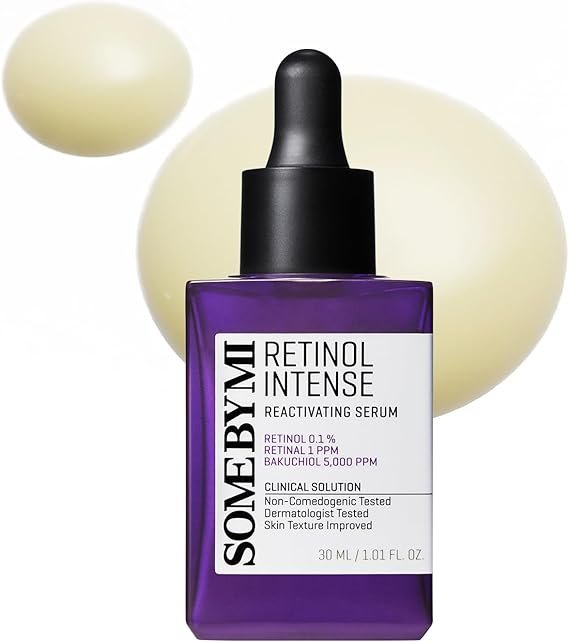
Retinol is commonly found in:
- Serums
- Night creams
- Anti-aging moisturizers
Benefits of Retinol
1. Reduces Fine Lines and Wrinkles
Retinol stimulates collagen production, helping skin appear firmer and smoother over time.
2. Improves Skin Texture
It helps remove dead skin cells and promotes fresher-looking skin.
3. Fades Hyperpigmentation
Retinol can help reduce acne marks, sun damage, and uneven skin tone.
4. Helps Treat Acne
It unclogs pores and reduces breakouts, making it useful for both acne and aging concerns.
Side Effects of Retinol
Although retinol is highly effective, it may cause:
- Dryness
- Peeling
- Redness
- Irritation
- Increased sun sensitivity
People with sensitive skin may struggle with strong retinol products, especially when starting.
What Are Peptides?
Peptides are short chains of amino acids that help support the skin’s natural proteins, including collagen and elastin.
Think of peptides as messengers that tell your skin to repair itself and produce more collagen.
Peptides are popular because they are generally gentler on the skin compared to retinol.
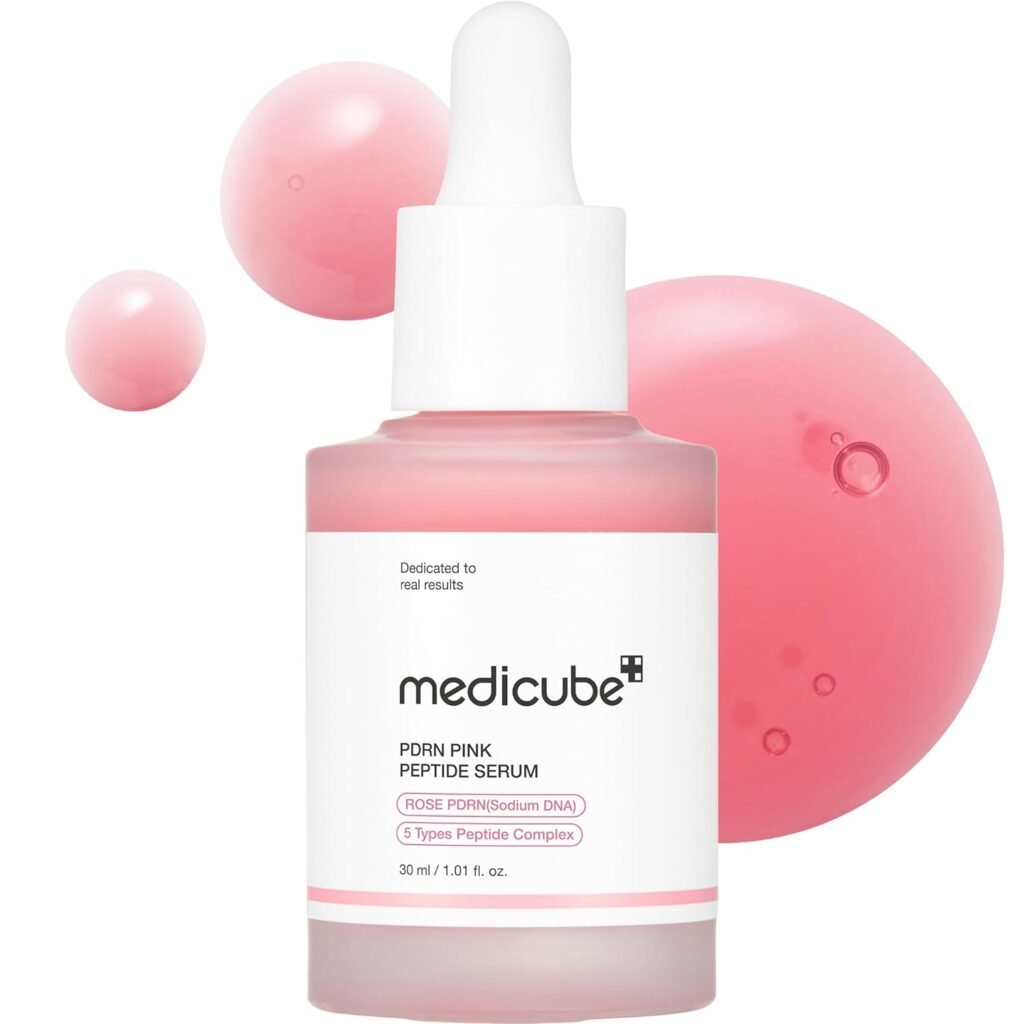
They are commonly found in:
- Serums
- Moisturizers
- Eye creams
- Firming creams
Benefits of Peptides
1. Supports Collagen Production
Peptides help improve skin firmness and elasticity.
2. Gentle on Sensitive Skin
Unlike retinol, peptides usually do not cause irritation or peeling.
3. Strengthens the Skin Barrier
Peptides help support healthier and more hydrated skin.
4. Helps Reduce Early Signs of Aging
They can improve skin smoothness and hydration over time.
Side Effects of Peptides
Peptides are generally well tolerated by most skin types. Side effects are rare but may include:
- Mild irritation
- Allergic reactions in sensitive individuals
Compared to retinol, peptides are considered much gentler.
Retinol vs Peptides: What’s the Difference?
| Feature | Retinol | Peptides |
|---|---|---|
| Main Function | Speeds up cell turnover | Supports collagen production |
| Strength | Stronger anti-aging effects | Gentler anti-aging support |
| Best For | Wrinkles, acne, pigmentation | Sensitive skin, hydration, firmness |
| Irritation Risk | Higher | Lower |
| Results Speed | Faster visible results | Gradual results |
| Suitable for Beginners | Sometimes difficult | Beginner-friendly |
Which Ingredient Is Better for Anti-Aging?
The answer depends on your skin type and goals.
Choose Retinol If:
- You want stronger anti-aging results
- You have wrinkles or acne
- You want to improve skin texture and dark spots
- Your skin tolerates active ingredients well
Choose Peptides If:
- You have sensitive skin
- You want gentle anti-aging care
- You struggle with dryness or irritation
- You are new to skincare actives
Can You Use Retinol and Peptides Together?
Yes. In fact, many dermatologists recommend using them together.
Peptides can help reduce dryness and irritation caused by retinol while supporting skin repair.
A simple routine may look like:
- Cleanser
- Peptide serum
- Retinol
- Moisturizer
- Sunscreen (morning)
Using sunscreen daily is very important when using retinol because the skin becomes more sensitive to sunlight.
Beginner Tips for Using Retinol
If you are starting retinol for the first time:
- Start with a low concentration
- Use it 2–3 times weekly
- Apply at night only
- Always use sunscreen during the day
- Avoid over-exfoliating products
Final Verdict: Retinol or Peptides?
Retinol remains one of the most powerful anti-aging ingredients available because of its ability to improve wrinkles, texture, and pigmentation.
However, peptides are an excellent option for people who want gentler anti-aging support without irritation.
For many people, the best approach is not choosing one over the other but using both correctly as part of a balanced skincare routine.
Frequently Asked Questions
Is retinol better than peptides?
Retinol generally delivers faster and stronger anti-aging results, but peptides are gentler and better for sensitive skin.
Can peptides replace retinol?
Peptides can support anti-aging, but they may not produce results as faster as retinol.
Can I use retinol every day?
Some people can, but beginners should start slowly to avoid irritation.
Are peptides safe for sensitive skin?
Yes. Peptides are usually suitable for most skin types, including sensitive skin.
Do I need sunscreen when using retinol?
Yes. Retinol increases sun sensitivity, so daily sunscreen is essential.