When people think about anti-aging skincare, they often focus on expensive serums, retinol creams, collagen supplements, or advanced treatments. However, dermatologists continue to agree on one thing: sunscreen remains the single most important anti-aging product you can use every day.
No matter how many skincare products you apply, unprotected sun exposure can speed up skin aging, cause dark spots, worsen hyperpigmentation, and increase the risk of skin cancer.
In Kenya, where sunlight exposure is strong throughout the year, daily sunscreen use is even more important for maintaining healthy and youthful-looking skin.
What Causes Premature Skin Aging?
Aging naturally happens over time, but many visible signs of aging are actually caused by external factors, especially ultraviolet (UV) radiation from the sun.
This process is known as photoaging.
Excessive sun exposure can lead to:
- Fine lines and wrinkles
- Hyperpigmentation
- Uneven skin tone
- Loss of skin elasticity
- Rough skin texture
- Sun spots
- Sagging skin
Even on cloudy days, UV rays can still damage the skin.
Why Sunscreen Is the #1 Anti-Aging Product
1. Sunscreen Prevents Collagen Breakdown
Collagen is the protein responsible for keeping skin firm and youthful. UV rays damage collagen and elastin fibers, leading to wrinkles and sagging skin.
Daily sunscreen helps protect the skin from this damage.
2. Helps Prevent Hyperpigmentation
Hyperpigmentation is one of the most common skincare concerns among people with darker skin tones.
Sun exposure can worsen:
- Acne marks
- Melasma
- Dark spots
- Uneven skin tone
Using sunscreen daily helps prevent these issues from becoming darker and harder to treat.
3. Reduces Premature Wrinkles
Research shows that people who regularly use sunscreen develop fewer wrinkles and signs of skin aging compared to those who do not.
Sunscreen protects the skin from long-term UV damage that accelerates aging.
4. Protects Against Skin Cancer
Besides cosmetic benefits, sunscreen also helps reduce the risk of skin cancer caused by prolonged UV exposure.
This makes sunscreen an essential part of overall skin health.
What SPF Should You Use?
Dermatologists generally recommend:
- SPF 30 or higher for daily use
- Broad-spectrum protection
- Water-resistant formulas if outdoors
Broad-spectrum sunscreen protects against:
- UVA rays (aging)
- UVB rays (burning)
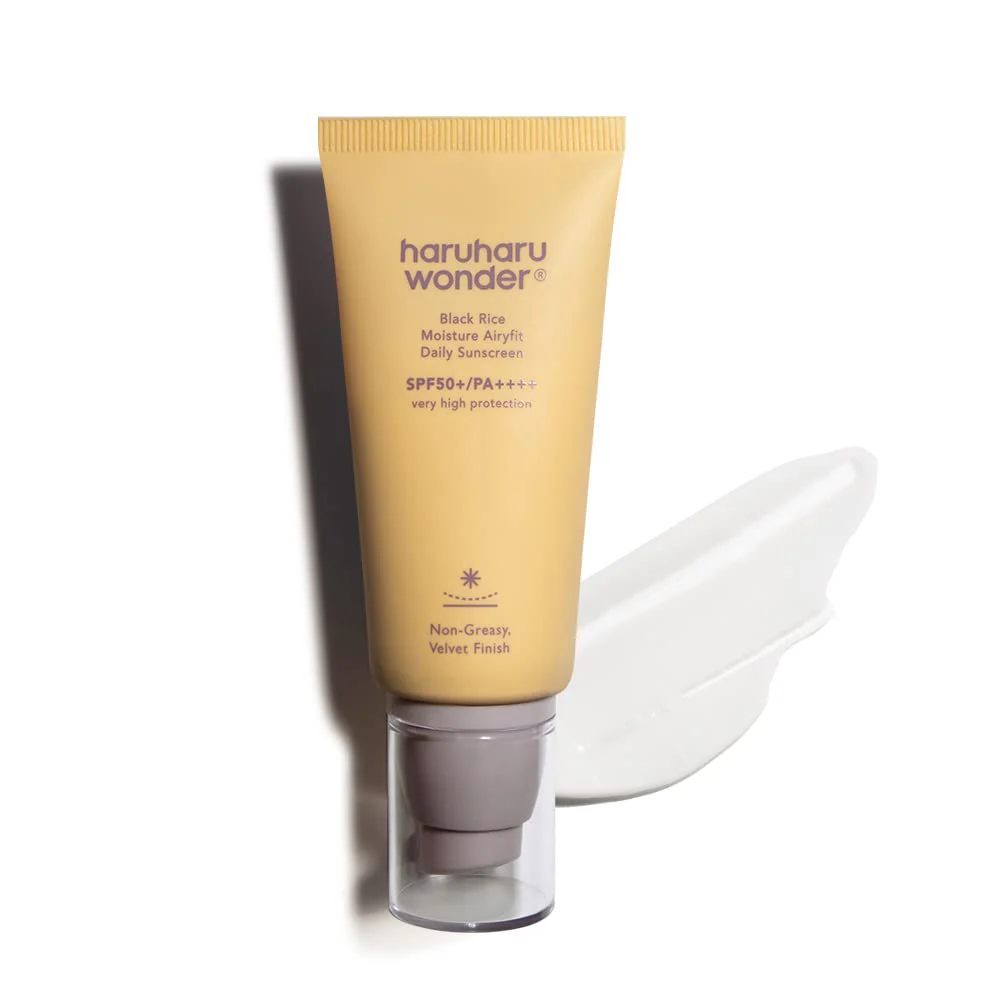
Best Sunscreen for Oily Skin
People with oily skin often avoid sunscreen because they fear it will feel greasy or cause breakouts. Fortunately, many modern sunscreens are lightweight and non-comedogenic.
Look for:
- Gel-based sunscreen
- Oil-free formulas
- Matte finish sunscreen
- Non-comedogenic products
Ingredients that work well for oily skin include:
- Niacinamide
- Zinc oxide
- Silica
Best Sunscreen for Dark Skin
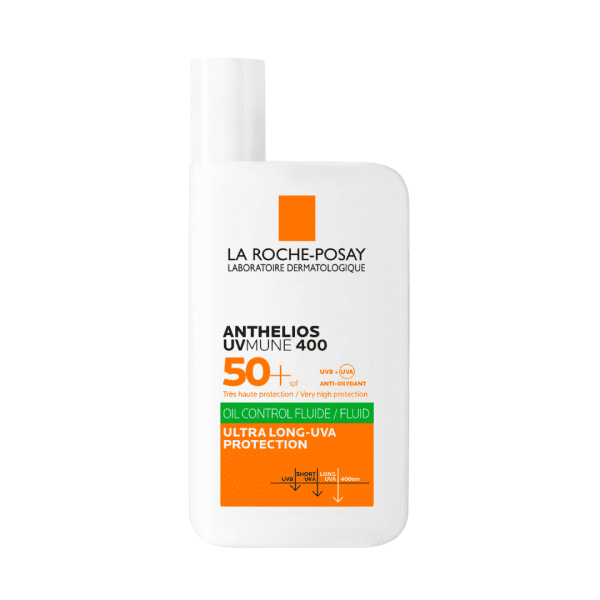
One common concern among people with darker skin tones is the white cast left by some sunscreens.
The best sunscreen for dark skin should:
- Blend easily
- Leave no white residue
- Feel lightweight
- Provide broad-spectrum protection
Tinted sunscreens and invisible-finish sunscreens are becoming popular options for darker skin tones.
Do People With Dark Skin Need Sunscreen?
Yes.
Although darker skin contains more melanin, it can still experience:
- Sun damage
- Hyperpigmentation
- Premature aging
- Skin cancer
Many people mistakenly believe sunscreen is only necessary for lighter skin tones, but everyone benefits from daily sun protection.
How to Apply Sunscreen Correctly
To get the best protection:
- Apply sunscreen every morning
- Use enough to cover the face and neck
- Reapply every 2–3 hours if outdoors
- Apply even on cloudy days
- Use sunscreen indoors if exposed to sunlight through windows
Common Sunscreen Mistakes
Skipping Sunscreen on Cloudy Days
UV rays can still penetrate clouds.
Applying Too Little
Using too little sunscreen reduces protection.
Using Sunscreen Only at the Beach
Daily exposure during walking, driving, or working outdoors still damages the skin.
Forgetting the Neck and Hands
These areas also show signs of aging.
Mineral vs Chemical Sunscreen
Mineral Sunscreen
Contains ingredients like:
- Zinc oxide
- Titanium dioxide
These sit on top of the skin and reflect UV rays.
Best for:
- Sensitive skin
- Acne-prone skin
Chemical Sunscreen
Absorbs UV rays before they damage the skin.
Usually lighter and easier to blend into darker skin tones.
Best for:
- Everyday wear
- Oily skin
- No white cast preference
Can Sunscreen Replace Moisturizer?
Some sunscreens contain hydrating ingredients, but sunscreen and moisturizer serve different purposes.
For best results:
- Use moisturizer first
- Apply sunscreen afterward during the day
Final Thoughts
Sunscreen is not just a beach product, it is one of the most effective daily anti-aging tools available.
Whether your goal is preventing wrinkles, reducing hyperpigmentation, protecting collagen, or maintaining an even skin tone, sunscreen should be a non-negotiable part of your skincare routine.
In Kenya’s sunny climate, daily sun protection is one of the best investments you can make for healthy, youthful skin.
Frequently Asked Questions
What is the best sunscreen in Kenya?
The best sunscreen depends on your skin type. Look for SPF 30 or higher with broad-spectrum protection.
Which sunscreen is best for oily skin?
Oil-free, gel-based, and matte sunscreens are usually best for oily skin.
Does sunscreen help with anti-aging?
Yes. Sunscreen helps prevent wrinkles, dark spots, and collagen damage caused by UV exposure.
Can dark skin use sunscreen?
Absolutely. Sunscreen is important for all skin tones.
Should I wear sunscreen indoors?
Yes, especially if you are exposed to sunlight through windows or screens for long periods.