You’ve likely come across these two names whether you’re battling acne, hyperpigmentation, or early signs of ageing and you are looking for a solution. Azelaic acid and tretinoin are among the most evidence-backed ingredients in skincare yet they work very differently, suit different skin types, and require different approaches. This guide will help you understand both so you (and your pharmacist) can make the right call.
What Are They?
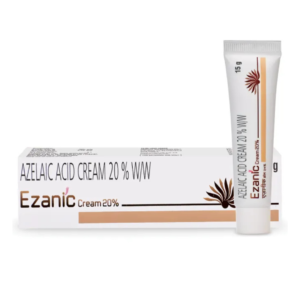
Azelaic Acid
Dicarboxylic Acid · Anti-inflammatory
A naturally occurring acid found in grains like wheat, rye, and barley. It’s synthesised for pharmaceutical use and available as a cream or gel in concentrations of 15–20%.
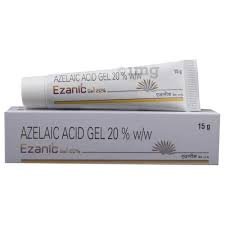
- Normalises skin cell turnover
- Inhibits tyrosinase (reduces pigmentation)
- Kills acne-causing bacteria
- Reduces redness and inflammation
- Available OTC (lower strengths) & prescription(15–20%)
Tretinoin
Vitamin A Derivative · Retinoid
A prescription-strength retinoid (retinoic acid) — a derivative of Vitamin A. Available as a gel in three strengths: 0.025%, 0.05%, and 0.1%.
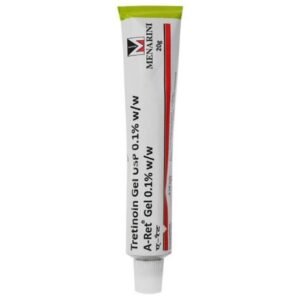
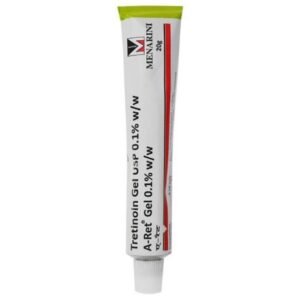
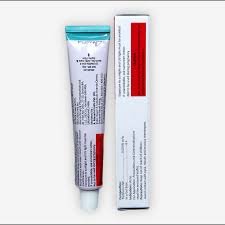
- Accelerates skin cell turnover
- Stimulates collagen production
- Clears and prevents acne
- Reduces fine lines and wrinkles
- Prescription only (all strengths)
Who Should Use Each One?
The right choice depends on your skin concern, skin type, and tolerance. Here’s a breakdown:
Azelaic Acid is Best For;
- Sensitive or reactive skin (incl. rosacea)
- Melasma and post-inflammatory hyperpigmentation
- ✓Pregnant or breastfeeding women (considered safer)
- Beginners to active skincare
- Combination of acne + redness
- Darker skin tones prone to PIH
- Mild-to-moderate inflammatory acne
Tretinoin is Best For
- Moderate-to-severe acne (all types)
- Anti-ageing: fine lines, wrinkles, texture
- Enlarged pores and rough skin texture
- Stubborn blackheads and comedones
- Those who can tolerate an adjustment period
- Long-term skin renewal goals
- ⚠ Not suitable during pregnancy
How to Use Azelaic Acid
Azelaic acid is forgiving and versatile and is suitable for morning and evening use.
Cleanse thoroughly
- Use a gentle, non-stripping cleanser. Pat skin dry completely — applying to damp skin can increase irritation.
Apply a pea-sized amount
- Dispense a small amount and spread evenly across the face or affected areas. It can also be used as a spot treatment on dark spots or active breakouts.
Follow with moisturiser (optional)
- If using the gel formulation, a lightweight moisturiser can be applied after. The cream formulation may not need one.
Azelaic acid can make skin more sun-sensitive, especially when targeting pigmentation. Broad-spectrum SPF 30+ is essential every morning.
Frequency tip: Start once daily (evenings). As your skin tolerates it well over 2–4 weeks, you may increase to twice daily. A mild tingling sensation for the first few minutes is normal and usually subsides.
How to Use Tretinoin
Tretinoin requires a slow, careful introduction. Rushing the process causes unnecessary irritation.
Cleanse and wait 20–30 minutes
- This is critical. Applying tretinoin to slightly damp skin dramatically increases absorption and irritation. Always wait until skin is completely dry.
Apply a rice-grain-sized amount
- Less is more. Use only a tiny amount for the entire face. Dot it on the forehead, cheeks, nose, and chin, then blend gently. Avoid eye area, nostrils, and lip corners.
Moisturise on top (or use the sandwich method)
- For beginners: apply moisturiser before AND after tretinoin (the “sandwich method”) to reduce irritation while your skin adapts.
Use strictly at night and always wear SPF next morning
Tretinoin degrades in sunlight and significantly increases UV sensitivity. Apply only in your evening routine. SPF 30–50 every morning without exception.
Which Strength Is Right for You?
Always start at the lowest effective strength. Stronger does not always mean better — it means more potential irritation.
| Strength | Best For | Irritation Level | Who Should Start Here |
|---|---|---|---|
| 0.025% | Mild acne, fine lines, first-time users | Mild | Sensitive skin; all beginners; teenagers with acne |
| 0.05% | Moderate acne, uneven texture, pigmentation | Moderate | After 3–6 months on 0.025% with good tolerance |
| 0.1% | Severe acne, deep wrinkles, significant photoageing | High | Experienced tretinoin users with medical supervision |
When to Use Each Active
Azelaic Acid
Morning & Evening ✓
- Can be used AM and/or PM
- Stable in sunlight — safe mornings
- Effective worn under SPF
- Start: every evening for 2 weeks, then twice daily if tolerated
- Results visible in 4–8 weeks
Tretinoin
Evening Only ✓
- Night use only since it degrades in UV light
- Start: 2–3 nights per week for the first month
- Gradually increase to every other night, then nightly
- Retinisation (initial purging) lasts 4–8 weeks
- Visible results typically at 3–6 months
Can You Use Them Together?
Yes, and it can be a powerful combination. Azelaic acid and tretinoin work through different mechanisms, making them complementary rather than competitive. When used together, they can deliver superior results for acne, hyperpigmentation, and skin texture simultaneously.
However, combining two actives increases the risk of irritation, particularly when you’re new to one or both. The golden rule: introduce one at a time, and only combine once your skin has fully adjusted to each.
Recommended Routine
- Morning: Azelaic acid → moisturiser → SPF
- Evening: Tretinoin → moisturiser
- Do not layer both in the same step
- Give 20–30 mins between actives if using PM only
Caution & Tips
- Start tretinoin first; add azelaic acid after 6–8 weeks
- Watch for excessive dryness, peeling, or burning
- Take “rest nights” if skin is irritated
- Always consult your pharmacist or dermatologist
⚠ Important: Avoid combining tretinoin with other exfoliating actives like AHAs (glycolic acid, lactic acid) or BHAs (salicylic acid) on the same night without medical guidance. Over-exfoliation can compromise the skin barrier and cause long-term sensitivity. Azelaic acid is gentle enough to be paired with tretinoin by most users.
Frequently Asked Questions
1. Will Tretinoin make my skin worse before it gets better?
Yes, this is known as the “tretinoin purge” or retinisation period. As tretinoin accelerates cell turnover, existing clogged pores are pushed to the surface faster, causing a temporary flare-up of breakouts, dryness, peeling, and redness. This typically peaks between weeks 2–6 and resolves by week 8–12. Starting on a lower strength (0.025%) and building up slowly significantly reduces the severity of this phase. Do not stop using it during the purge unless you experience severe irritation (push through with gentle moisturiser and a reduced frequency).
2. Is azelaic acid safe during pregnancy?
Azelaic acid is generally considered one of the safest prescription-strength actives during pregnancy and is classified as Pregnancy Category B, meaning animal studies show no risk and controlled human studies are limited but reassuring. It is often recommended as an alternative to tretinoin (which is strictly contraindicated in pregnancy) for managing acne or melasma during this period. That said, always consult your doctor or obstetrician before starting or continuing any topical medication during pregnancy or while breastfeeding.
3. How long before I see results from Azelaic and tretinoin ?
Patience is essential with both. Azelaic acid typically shows noticeable improvement in acne and redness within 4–8 weeks, while pigmentation improvements may take 3–6 months of consistent use. Tretinoin takes longer to show full results. Acne improvements usually begin around the 3-month mark, and anti-ageing or texture benefits may take 6–12 months to fully manifest. Results depend on your skin type, the condition being treated, the strength used, and the consistency of your routine. Stopping too early is one of the most common mistakes.
4. Can I use azelaic acid or tretinoin on my body (back or chest)?
Yes, both can be used on body areas prone to acne such as the back, chest, and shoulders. Tretinoin gel is often prescribed for truncal acne. Because body skin is thicker and often less sensitive than facial skin, you may find it tolerates the products better. However, be cautious around areas that are naturally more irritated or subject to friction from clothing. Always apply SPF to any tretinoin-treated areas that will be exposed to sunlight, including the chest and shoulders.
5. Can i use Vitamin C with either Azelaic acid or tretinoin?
Yes, vitamin C (ascorbic acid) pairs well with both actives, but timing matters. Use vitamin C in the morning alongside azelaic acid (both are AM-friendly) to target pigmentation from two different angles. Tretinoin is evening only, so simply keep vitamin C in your morning routine and tretinoin in your evening routine. Avoid applying vitamin C immediately before or after tretinoin in the same session, as both can be irritating and the combination in one application can lower skin pH unpredictably.
Not Sure Which One to Start With?
Visit Habillon Pharmacy and our team will guide you through the right choice for your skin type, budget, and lifestyle. Talk to Our Pharmacist